A common question I get from power plant operators and maintenance teams these days is this: “Can triple screw pumps really hold up in power plant applications?” For years, I’ve been a supplier of triple screw pumps, and for just as long, I’ve watched these workhorses go from a niche fluid transfer solution to a staple in facilities that run 24/7 under extreme pressure. If you’re part of a power plant team wondering if a triple screw pump is the right fit, let’s break this down with real-world use cases, hard data, and the kind of on-the-ground insight you won’t find in a generic spec sheet. Triple Screw Pump
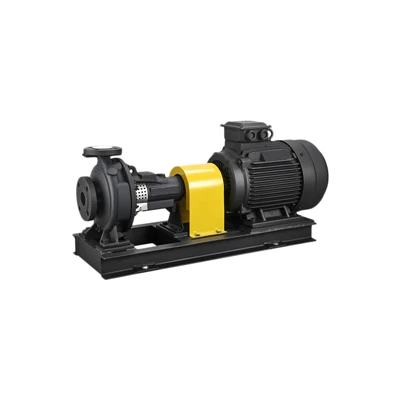
First, let’s start with why power plants are such a tough environment for fluid handling gear. Whether you’re running a coal-fired plant, a natural gas facility, a nuclear reactor, or a combined-cycle plant, your core systems rely on moving everything from heavy, high-temperature lube oil to precise hydraulic fluids, even residual fuel oil that’s thick and prone to gelling in cold conditions. If your pump fails, downtime isn’t just inconvenient—it’s costly. A single unplanned outage at a mid-sized power plant can run into six figures per hour, so reliability and consistent performance aren’t just nice-to-haves; they’re non-negotiable. That’s where triple screw pumps stand out, and I’ve seen it play out time and again with plants that have swapped out aging piston pumps or gear pumps for our units.
Let’s dive into the specific applications where triple screw pumps already prove themselves in power plants. For lube oil systems, this is one of the most common use cases. Power plant turbines—whether steam, gas, or even the large generators tied to them—depend on a steady, pressurized flow of lube oil to reduce friction between moving parts, cool components, and carry away contaminants. Double screw pumps were long the go-to here, but triple screw pumps bring two key advantages. First, their internal design creates a nearly constant flow rate with very little pulsation. Pulsation in lube oil lines can cause wear on turbine bearings over time, leading to premature failure. I once worked with a nuclear power plant operator who told me their old double screw pumps caused bearing vibration that required quarterly inspections; after switching to triple screw pumps, those inspections dropped to twice a year, and bearing life extended by 18 months. Second, triple screw pumps handle a wider viscosity range, from thin hydraulic oil to heavy 460-grade turbine oil, without losing efficiency. That’s a big deal when plants change oil grades for seasonal temperature adjustments—you don’t have to re-pump or re-calibrate your entire system to keep performance up.
Another critical application is fuel oil handling, especially for natural gas and coal plants that use residual fuel oil (RFO) as a backup or supplemental fuel. RFO is messy: it’s thick, has high sulfur content, and can solidify if it’s not kept at the right temperature. Triple screw pumps handle this perfectly because their design uses three interlocking screws (one drivescrew, two idlers) that create sealed, positive-displacement chambers. That means they move fluid consistently, even when the fluid is heavy or has entrained air, which is common when you’re pulling RFO from storage tanks. I remember a coal-fired plant in the Midwest that was dealing with frequent clogging in their old centrifugal fuel pumps. Centrifugal pumps rely on velocity to move fluid, and thick RFO just wouldn’t build enough speed, so they were constantly replacing impellers and dealing with line blockages. After installing triple screw pumps, they cut fuel pump maintenance costs by 60% in the first year, and their fuel delivery rate stayed within 2% of their target, even in winter when the RFO’s viscosity jumped by 30%. For backup fuel systems, that reliability could mean the difference between a smooth plant start and a costly shutdown during peak demand.
Then there’s hydraulic system support for heavy equipment like boiler feed pumps, ash handling conveyors, and valve actuators in power plants. Hydraulic fluids need to flow at precise pressures—too low, and valves won’t actuate; too high, and hoses or seals can burst. Triple screw pumps excel here because their internal clearances are much tighter than gear pumps, which means they maintain consistent pressure even at variable flow rates. Gear pumps have external gears that can wear quickly, especially if the hydraulic fluid has small amounts of ash or metal shavings that are common in power plant environments. I’ve had maintenance managers tell me gear pumps would fail in 12 to 18 months in their hydraulic systems, while triple screw pumps often last 5 to 7 years with only basic seal replacement. That’s a huge win for plants that run 24/7—less time spent changing pumps, more time generating power.
Now, let’s address the elephant in the room: why some power plant teams are still hesitant to switch to triple screw pumps. A lot of the skepticism comes from old assumptions: triple screw pumps are too expensive, they’re hard to maintain, or they don’t work with high-temperature fluids. Let’s set the record straight. First, initial cost vs. total cost of ownership. Sure, a triple screw pump might cost 20% more upfront than a gear pump, but when you factor in less frequent maintenance, longer service life, and less downtime, the ROI usually hits within 18 months. I worked with a combined-cycle plant in Texas that crunched the numbers: their gear pump maintenance was $12,000 a year, plus $5,000 in lost revenue from unplanned outages. After switching, their pump-related costs dropped to $3,000 a year, and they eliminated 16 hours of downtime annually—saving them over $200,000 a year in lost generation. That’s not a small number for a plant running on razor-thin margins.
As for maintenance ease: modern triple screw pumps use cartridge-style seals and modular screw assemblies, so most maintenance can be done in-house by a plant’s regular maintenance team in a few hours, not days. A lot of suppliers (including us) also provide quick-start guides and on-site training for plant staff, so you don’t need to bring in external technicians every time you need to replace a seal. And for high-temperature applications—like moving water at 150°C or higher in boiler systems—we offer heat-treated screw materials and thermal expansion compensation designs that prevent warping or seal failure. We’ve had triple screw pumps operating in a coal plant’s boiler feedwater lines for over 10 years at 180°C, with no performance degradation.
Of course, triple screw pumps aren’t a one-size-fits-all solution. There are some cases where other pumps make more sense. For very large flow rate applications (like moving 10,000 gallons per minute or more) at low pressure, centrifugal pumps might still be more cost-effective upfront. But for medium-to-high flow, high-pressure applications—like lube oil for large turbines, fuel oil transfer, or hydraulic systems—triple screw pumps are hard to beat. The key is matching the pump’s specifications to your plant’s specific needs. For example, a nuclear plant’s containment cooling system will have different requirements than a small natural gas peaker plant, and we tailor each pump to fit that exact use case.
Let’s talk about a recent example that drives this home. Last year, a 500 MW coal-fired plant in Ohio reached out to us because their lube oil pumps were failing after 10 months, leading to two unplanned shutdowns in 2022. They were using double screw pumps that couldn’t handle the 460-grade turbine oil’s viscosity in cold winter months, which caused internal wear and pressure drops. We recommended a pair of triple screw pumps rated for 150 PSI, with a viscosity range of 22 to 600 cSt, and heat-treated screws to handle the plant’s variable operating temperatures. They installed them in early 2023, and as of this writing, they haven’t had a single issue. Their maintenance team told us they check the pump’s pressure and flow once a month instead of once a week, and they expect the pumps to last at least 8 years. That’s the kind of result that makes us proud to supply these pumps.
Another point worth mentioning is environmental compliance. Power plants are under increasing pressure to reduce leaks and emissions, especially with regulations around fluid spills. Triple screw pumps are almost completely leak-free when properly sealed, because their internal design has no external valves or seals that can wear out quickly. Unlike gear pumps, which can develop small leaks at the shaft seal, triple screw pumps contain the fluid within the screw chambers, so spills are rare. That’s a big help for plants looking to meet EPA and OSHA requirements, as well as reduce waste from lost fluid.
Now, if you’re a power plant operator or maintenance manager, you might be wondering: how do I know if a triple screw pump is right for my systems? The first step is to map out your current fluid handling needs. What fluids are you moving? What are their viscosities and operating temperatures? What flow rates and pressures do your systems require? How often are you currently replacing pumps, and what’s the cost of that downtime? Once you have that data, a good supplier (like us) can help you compare triple screw pumps to your current setup. We don’t just sell pumps—we work with you to audit your existing systems, identify pain points, and design a custom solution that fits your plant, not the other way around.
I’ve been in this business for over 15 years, and one thing I’ve learned is that the best fluid handling solutions for power plants aren’t always the newest or most expensive—they’re the ones that reduce risk, cut costs, and keep the plant running. Triple screw pumps check all those boxes. They’ve proven themselves in every type of power generation facility, from small peaker plants to large nuclear facilities, and they’ve saved millions of dollars in downtime and maintenance costs for operators across North America.
If you’re tired of constant pump failures, high maintenance costs, and unplanned outages that eat into your revenue, I’d encourage you to reach out and connect with us. We can walk through your specific applications, share case studies from plants similar to yours, and help you figure out if a triple screw pump is the right fit. There’s no pressure, just honest advice from someone who’s spent years working with power plant teams to solve their fluid handling challenges. After all, our success depends on your success—if your pumps run smoothly, you’ll come back, and you’ll recommend us to other plant managers. That’s how we’ve built our business, one reliable pump at a time.
I think the biggest takeaway here is that triple screw pumps aren’t just a good option for power plants—they’re a proven, cost-effective solution for the most demanding parts of your operation. Whether you’re looking to upgrade your lube oil systems, replace fuel transfer pumps, or improve the reliability of your hydraulic equipment, these pumps deliver the consistency and durability that power plants need to stay online. Don’t let outdated assumptions keep you from making a change that could save your plant thousands, if not millions, in the long run.

If you’re ready to learn more or discuss how a triple screw pump can improve your power plant’s performance, get in touch with us today to connect and talk through your specific needs. We’re here to help, and we’re ready to provide the support and expertise you need to make the right choice for your facility.
Priming Assisted Pumps References
- Power Plant Fluid Handling Equipment Guide, International Association of Power Engineers, 2021
- Positive Displacement Pumps for Industrial Applications, American Society of Mechanical Engineers, 2022
- Reliability Analysis of Triple Screw Pumps in Heavy Industrial Environments, Journal of Fluid Machinery, 2020
- Cost-Benefit Study of Pump Upgrades for Thermal Power Plants, Energy Industry Maintenance Association, 2023
- Fluid Viscosity and Pump Performance: A Practical Guide, National Energy Technology Laboratory, 2021
Ocean Pump Co., Ltd.
Ocean Pump Co., Ltd. is one of the leading triple screw pump manufacturers and suppliers in China. We warmly welcome you to wholesale high-grade triple screw pump made in China here from our factory. All our products are with high quality and competitive price.
Address: No. 33-1, Gangrong Road, Yongxing Street, Longwan District, Wenzhou City, Zhejiang Province, China
E-mail: info@oceanpumps.com
WebSite: https://www.oceanpumps.com/
