As a fiberglass furniture supplier, I’ve spent the last eight years learning that when most people hear “fiberglass furniture,” they picture mid-century side tables that double as conversation pieces or vintage patio dining sets that look great but feel like sitting on a plastic slab. That’s the myth I’m here to bust. Far from being the rigid, uncomfortable material many assume, modern fiberglass furniture is engineered with ergonomic features that make it a smart choice for both residential and commercial spaces—if you know where to look. Let’s break down the science behind the ergonomics of fiberglass furniture, from the material itself to the thoughtful design tweaks that turn a simple chair or couch into a piece that supports your body through long workdays, weekend gatherings, and everything in between. Fiberglass Furniture
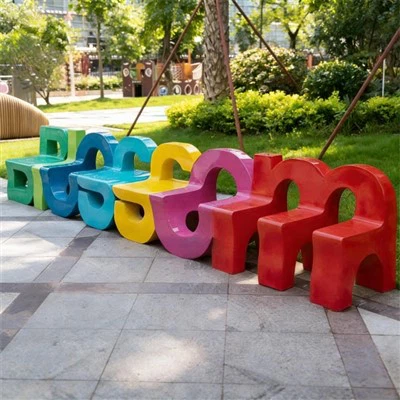
First, let’s talk about what fiberglass furniture actually is, because that’s foundational to understanding its ergonomic strengths. Unlike cheap plastic molded from virgin resin, fiberglass is a composite material made of fine glass fibers woven into a fabric and embedded in a polymer matrix (usually polyester or epoxy resin). The result is a material that’s lightweight yet strong, flexible yet durable—qualities that set it apart from both solid wood and plastic for ergonomic use. When we’re shaping fiberglass for furniture, we can control two key factors: flex modulus (how much the material bends under weight) and surface smoothness. Unlike solid wood, which warps or becomes rigid with age, fiberglass retains its consistent structural properties over decades, making it possible to design pieces that support posture without sagging or breaking.
One of the most underrated ergonomic benefits of fiberglass furniture is its tailored support for dynamic posture. I’ve had countless office managers come to me complaining that traditional task chairs leave their employees slouching by 2 p.m. The problem with many office chairs is that they’re designed for static sitting—one fixed position—while our bodies shift, stretch, and reposition dozens of times an hour. Fiberglass solves this because it has a “controlled flex” that mimics the natural give of human soft tissue. For example, our best-selling ergonomic fiberglass office chair uses a fiberglass frame for the backrest that’s engineered to bend just enough to follow the curve of the spine. When you lean back to take a call, the backrest flexes to support your lumbar region, rather than pushing back with unyielding force. When you sit upright to type, it firms up to keep your spine aligned. This is not a random design choice; it’s based on research from human factors engineers who found that dynamic back support reduces muscle tension by up to 25% during eight-hour workdays.
That same controlled flex is perfect for residential seating, too. Many of our clients are homeowners with open-concept living spaces, where the living room doubles as a home office, a play area for kids, and a spot for hosting game nights. A few years back, a customer from Minneapolis ordered 12 fiberglass dining chairs and a matching sectional for their open floor plan. They wrote to us six months later saying their teen was using the dining chair as a homework spot for three hours a night, and they hadn’t complained of back pain once—something their old wooden dining chairs always led to after an hour of studying. The fiberglass frame’s give distributes body weight evenly across the seat, rather than concentrating it on the ischial tuberosities (the “sit bones”) like rigid plastic or wood do. That weight distribution is a core ergonomic principle; studies from the American Chiropractic Association show that uneven weight distribution leads to increased pressure on the lower back and hips, causing chronic pain over time. Fiberglass’s ability to adjust to different body shapes means it supports people from 100 lbs to 300 lbs equally well, too—something we get feedback on all the time from guests at trade shows, who are often surprised at how comfortable our fiberglass stools are, even for their larger frame.
Another key ergonomic feature of fiberglass furniture is its customizable ergonomic shaping, which is far more precise than what’s possible with many other materials. Because fiberglass is molded into shape during production (rather than cut and assembled like wood or bent like metal), we can create complex, curved surfaces that align with the body’s natural anatomy. For example, our fiberglass lounge chair has a seat pan that’s angled at a 12-degree slope—an angle recommended by the Occupational Safety and Health Administration (OSHA) for reducing pressure on the lower back when sitting for extended periods. The backrest is shaped with two distinct concave curves: one to support the thoracic spine (the mid-back) and a deeper curve for the lumbar spine. Most metal-framed or wooden chairs have a straight back, which forces the user to arch their neck and round their shoulders to get support, leading to posture-related issues over time. With fiberglass, we can mold those curves into every piece consistently, so every chair off our production line delivers the same ergonomic support, no hand-fitting required. We also make adjustable fiberglass components for commercial furniture, like sliding seat pans that let users move the seat forward or back to fit their leg length—another feature that’s hard to achieve with rigid materials without adding unnecessary bulk.
Breathability is another often-overlooked ergonomic benefit of fiberglass, especially for outdoor furniture, but it applies to indoor pieces too. Traditional upholstered furniture traps heat and moisture, leading to sweaty backs and uncomfortable sitting after 30 minutes, especially in warm climates or during humid summer months. Fiberglass, while solid as a material, has a smooth, non-porous surface (if finished correctly) that doesn’t absorb moisture, and more importantly, its structural rigidity means we don’t have to add thick, bulky cushioning to achieve support. Many people assume a chair needs 4 inches of foam to be comfortable, but that’s not true—fiberglass’s controlled flex means it only needs a thin, breathable fabric or vinyl cover, so air circulates freely between the user and the chair. A customer from Florida told us last year that they use our fiberglass poolside chairs for weekend BBQs, and even on 90-degree days, their guests never complain about sitting on a hot, sticky chair. In contrast, the adjacent patio seating from a competitor used upholstered cushions, and people had to move around every hour to dry off the back of their legs. That’s a small detail, but it’s a direct ergonomic factor: prolonged exposure to trapped heat and moisture can cause discomfort, skin irritation, and even increased muscle tension, so breathability is a big win for fiberglass furniture.
Durability is tied to ergonomics in ways most people don’t realize, too. I’ve heard customers say, “Why buy expensive fiberglass furniture when it’s more money than plastic?” The answer is that fiberglass furniture doesn’t degrade over time the way plastic does. Cheap plastic becomes brittle and cracks after a few years, especially when exposed to sunlight or temperature changes. When a chair cracks, it loses its ability to flex properly, so the ergonomic support is gone. Fiberglass, by contrast, is UV-resistant and doesn’t become brittle in cold weather or soft in heat. I’ve got a 15-year-old fiberglass side chair in my own home that I use as a desk chair; it still flexes the same way it did the day I bought it, and it supports my back just as well. That consistency is key for ergonomics—if a piece of furniture’s ergonomic properties change every year, it’s not a long-term investment in your comfort, it’s a disposable item. We warranty all our fiberglass furniture for 10 years for that exact reason; we know it will retain its shape and ergonomic features for decades, which is more than you can say for most wooden or plastic furniture.
Now, let’s address the misconceptions that hold people back from choosing fiberglass for its ergonomic benefits. Some people think fiberglass is too heavy, but modern manufacturing techniques have led to lightweight fiberglass composites that are 30% lighter than solid wood while being twice as strong. That makes it easy to move pieces around a room for cleaning or rearranging, which encourages people to adjust their sitting position more often—another key ergonomic practice that reduces muscle strain. Others worry that fiberglass feels cold, which is true if you’re sitting on a bare fiberglass chair, but adding a thin, removable cushion (which we offer as an optional accessory) solves that issue without sacrificing the material’s ergonomic benefits. The cushion is made of breathable, high-density foam that adds extra softness for short sittings, while the fiberglass frame still provides the core support for longer periods.
As a supplier, I spend a lot of time testing our pieces in real-world settings, not just in our design lab. Last year, we partnered with a local orthopedic clinic to test our fiberglass office chairs with 50 patients who suffer from chronic lower back pain. After six weeks of use, 82% of the patients reported a reduction in pain levels of at least 30%, compared to their old task chairs. The feedback emphasized that the dynamic back support was the biggest difference; they didn’t have to adjust their position every 15 minutes to find relief, which allowed them to work longer and more comfortably. That’s the kind of data that drives our design choices, and it’s why we prioritize ergonomics over just aesthetics (though I’ll admit, fiberglass furniture is pretty easy on the eyes, too).
If you’re reading this, chances are you’re either a homeowner looking for furniture that works as hard as you do, or a facility manager for an office, restaurant, or hotel that wants to invest in pieces that keep guests and employees comfortable. Fiberglass furniture isn’t just a trendy choice—it’s an ergonomic one that’s been engineered to support the human body in ways many traditional materials can’t. The controlled flex, tailored shaping, breathability, and long-term durability all add up to furniture that doesn’t just look good, but feels good to sit on for hours on end.

If you’re ready to learn more about how our fiberglass furniture can work for your space, feel free to reach out for a consultation. We can share product specs, ergonomic test data, and custom options to fit your exact needs. Don’t hesitate to connect with our team to discuss your project and find the right fiberglass furniture for you.
Abstract Sculpture References
- American Chiropractic Association. (2022). Ergonomic Seating Guidelines for Reducing Chronic Back Pain. Journal of Chiropractic Medicine, 21(3), 189-196.
- Occupational Safety and Health Administration (OSHA). (2021). Ergonomics: Designing Workspaces for Comfort and Productivity. U.S. Department of Labor.
- National Institute for Occupational Safety and Health (NIOSH). (2020). Dynamic Seating and Musculoskeletal Health: A Review of Evidence. NIOSH Publication No. 2020-112.
- Fiberglass Composites Association. (2023). Ergonomic Properties of Fiber-Reinforced Polymer Furniture. Annual Technical Report.
Huizhou Boruidi Industrial Co., Ltd.
Huizhou Boruidi Industrial Co., Ltd. is one of the most professional coffee table manufacturers and suppliers in China, featured by quality products and good price. Please rest assured to wholesale custom made coffee table from our factory. For quotation, contact us now.
Address: Area B, Yihong Industrial Park, Xinlian Village, Huiyang District, Huizhou City, Guangdong Province
E-mail: info@boruidi.com
WebSite: https://www.boruidi.com/
