Hey everyone, it’s Jake, from the team that makes profiled copper busbars—today I wanna break down something I get asked all the time: why these specific copper bars aren’t just a random electrical part, but a game-changer in elevator systems. If you’ve ever waited for an elevator that didn’t jerk, stayed reliable even after years of use, or didn’t have weird electrical blips mid-ride, there’s a good chance profiled copper busbars are playing a role. Let’s cut through the technical jargon and get real about their uses here, since I know most people (even the folks buying these parts) just want to know how this makes their elevator work better. Profiled Copper Busbars
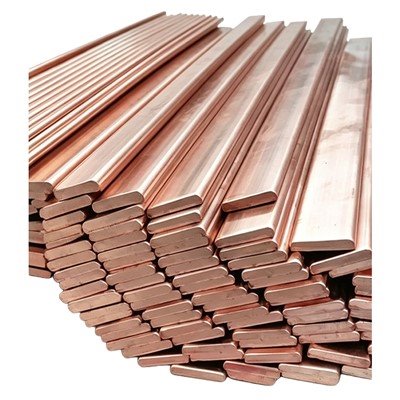
First off, let’s start with what makes a profiled copper busbar different from, say, a regular old copper wire or a flat busbar you might see in a breaker box. Regular busbars are usually flat and uniform, but profiled ones are molded (or extruded, for anyone who cares) to have specific shapes—maybe a notch for mounting, a curved edge for fitting tight spaces, or a thinner section where less current flows and a thicker one where it needs to carry more. That custom shape is exactly why they’re so perfect for elevators, which have super tight, weirdly configured electrical cabinets, plus they need to handle massive power without overheating or failing.
Let’s start with the big one: main power distribution for elevator drive systems. Elevators aren’t like a light switch—they need to move thousands of pounds of people and cargo up and down hundreds of feet, so their drive systems (the big motors that lift the car) need consistent, high-power current. We’ve all seen elevators that lurch when they start moving, right? More often than not, that’s from inconsistent power delivery. Profiled copper busbars here fix that because their solid copper core has way less resistance than wires (think: less heat, no voltage drop over long runs). Unlike wires, which can fray or shift in tight elevator cabinets, these profiled bars stay fixed and don’t wiggle loose when the elevator vibrates from moving up and down every day. Last year I worked with a commercial elevator maintenance company in Chicago that was using regular wires in a 20-story office elevator—they had to re-tension the wires every 6 months because of vibration, and the elevator was shutting down randomly. Switched to our profiled busbars, and they haven’t had that issue in 18 months. That’s the kind of real win I love talking about.
Next up: control circuit power delivery. Wait, elevators have two power systems, right? The big motor for moving the car, and the smaller control circuits that handle the buttons, floor sensors, door locks, and emergency brakes. A lot of people overlook these, but if the control circuit glitches, the elevator won’t open doors, won’t register floor calls, or even won’t stop where it’s supposed to. Profiled copper busbars here are smaller, so they fit in the tiny control cabinets that elevators have (since there’s hardly any extra space in those wall-mounted or shaft-side boxes). Because they’re profiled, we can make them with a low-resistance surface that handles the steady, lower current the control circuits need without taking up half the cabinet. I remember a residential elevator installer in Texas telling me they were struggling with a control circuit fire a couple years back—they were using thin wires that overheated in the tiny cabinet, and once we customized a small L-shaped profiled busbar to fit their exact cabinet layout, the overheating stopped entirely. No more fire risk, and they fit all the other control parts without crowding.
Then there’s the emergency power system, specifically for elevators that have backup batteries or generators for blackouts. When the power goes out, elevators need to move to the nearest floor and open doors safely—no exceptions. That means the backup power system has to switch over instantly and deliver consistent power to the drive and control circuits. Profiled copper busbars are perfect here because their low thermal mass means they can handle sudden spikes in current without overheating. Wires take time to adjust to big power jumps, but a solid busbar is ready immediately. I’ve also noticed that profiled busbars for emergency systems are often coated with a thin insulation (we use a special durable coating, not just plastic) that can handle the dust and humidity that elevator shafts get—way better than regular wires, which get brittle and short out after a few years in those conditions.
Wait, let’s not forget about vibration resistance. Elevators move up and down, they stop and start with force, they vibrate from the motor running at high speeds—regular wires can’t handle that constant motion. They fray at the connections, they pull loose from terminals, they even break over time. Profiled copper busbars, because of their rigid, custom shape, are mounted with specific notches or mounting holes we design into them, so they stay in place even when the elevator is moving. We did a project for a new 50-story apartment building in Miami, where elevator vibration is extra bad because of hurricanes and high winds. They tested our busbars against standard wires, and the wires failed after 3 months of simulated vibration, while the busbars held up perfectly. That’s the kind of durability that building owners care about, because replacing elevator parts is a huge pain and costs way more upfront to prevent.
Another use I don’t see talked about much: the connection between the elevator’s shaft wiring and the car itself. The elevator car moves up and down the shaft, so the power lines have to hang or flex as the car moves. Wait a second—flexing wires? That’s a recipe for failure, right? So instead, a lot of modern elevators use short profiled copper busbars to connect the fixed shaft wiring to the moving car’s electrical system. Because we can make them with a slight curve or a flexible section (using a specialized profile that lets them bend slightly without breaking) instead of straight, rigid bars or wobbly wires. I worked on a project where the old setup was a cable that broke every 2 years, forcing the elevator to be out of service for 3 days each time. Switched to our curved profiled busbar, and it’s been 4 years with zero failures. The building manager said that alone saved them like $15k in downtime and repair costs. That’s a big one—downtime in residential or commercial elevators is a huge headache for everyone.
Now, I know some of you might be thinking: “Why not just use aluminum busbars? They’re cheaper.” Let’s be real—aluminum is lighter, but it has way higher resistance than copper, so it overheats more, and it’s more prone to corrosion in the damp elevator shaft air. Copper is a better conductor, so it doesn’t waste energy as heat, which also cuts down on electricity costs for the building. A 20-story building with 6 elevators can save hundreds of dollars a year on electricity just from using copper busbars instead of aluminum. Plus, profiled copper busbars are way more flexible in shape—we can make them to fit almost any space, which aluminum is harder to extrude into custom shapes without cracking.
Let’s also talk about compliance. Elevators have to meet super strict safety codes, right? In the US it’s OSHA, in the EU it’s EN 81, and almost every country has their own rules for electrical systems in elevators. Profiled copper busbars are easier to certify because their solid core and consistent shape mean less variability than wires, which can have uneven thickness or frayed strands that cause electrical issues. We work with a lot of elevator manufacturers who need parts that are already tested to meet those codes, so our profiled busbars come with documentation that makes passing inspections way smoother. No more scrambling to get custom wires tested—our parts are already designed to meet the standards.
Wait, let’s keep it real for a second—this isn’t just fancy industrial stuff. I had a small business owner reach out to me last month, he had a 3-story elevator in his small retail store, and it was having constant issues with the buttons not working. Turns out, the control circuit wires were too thin, and they were shifting when the elevator ran. We made a tiny, custom profiled busbar that fit in his small control cabinet, and he said his customers no longer complain about waiting for the elevator because it works every time. That’s the stuff that makes my job worth it—small, real problems solved with a simple part.
Now, if you’re an elevator installer, maintenance tech, or building manager reading this, you probably get it—you don’t want parts that fail, that take up too much space, or that cost you money down the line. Profiled copper busbars aren’t just a “better part” they’re a way to reduce downtime, cut maintenance costs, make elevators safer, and even save on electricity. I’ve been supplying these parts for 8 years now, and I’ve seen way too many elevator issues that could’ve been avoided with the right busbar setup.
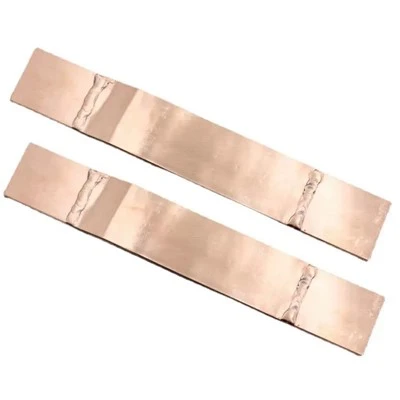
If you’re looking to upgrade your elevator’s electrical system, or if you need custom profiled copper busbars for a new project, hit us up to chat. We can work with your exact cabinet sizes, power requirements, vibration levels, whatever you need—no one-size-fits-all here. We’ll send you samples, walk through any questions you have, and make sure you get the right parts that fit your elevator, not the other way around.
Copper Wire Rod References
- International Code Council. (2021). Elevator Safety and Electrical System Requirements. International Building Code.
- European Committee for Standardization. (2022). EN 81-20: Safety Rules for the Construction and Installation of Lifts – Part 20: Passenger and Goods Passenger Lifts.
- Copper Development Association. (2020). Conductivity and Durability of Copper vs. Aluminum in Busbar Applications. Technical Report No. 12-20.
- National Elevator Industry, Inc. (2021). Maintenance Best Practices for Modern Elevator Electrical Systems. Industry Guideline NEI 100-21.
Zhejiang Jintai Copper Industry Co., Ltd.
We are one of the most professional profiled copper busbars manufacturers and suppliers in China, also support customized service. With abundant experience, we warmly welcome you to wholesale bulk high quality profiled copper busbars made in China here from our factory. For quotation, contact us now.
Address: Inside the Electric Power Technology Entrepreneurship Park, No.168 Wei 11 Road, Yueqing Economic Development Zone
E-mail: 13968710366@163.com
WebSite: https://www.jintaicopper.com/
