If you’ve ever installed pipe systems at high altitudes, you know how drastically conditions shift—thin air, extreme temperature swings, and lower atmospheric pressure can turn a straightforward job into a challenge. As a supplier of electrofusion fittings, I’ve spent years working with contractors and installers who’ve run into costly mistakes when overlooking these unique environment’s demands. Today, I want to break down the non-negotiable installation requirements for electrofusion fittings in high-altitude areas, drawn from on-site projects, industry testing, and lessons we’ve helped teams troubleshoot over the years. Electrofusion Fittings
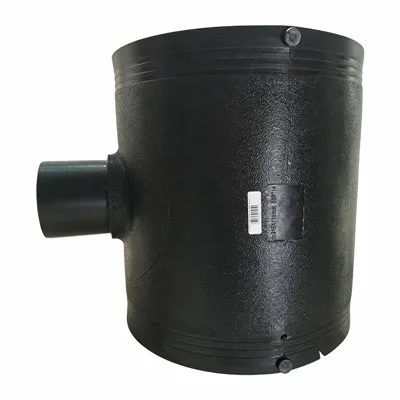
First, let’s clarify what defines a high-altitude installation for our purposes. Most manufacturers base standard electrofusion procedures on sea-level atmospheric pressure (101.3 kPa). Any site above 2,000 meters (6,562 feet) qualifies as high-altitude, where atmospheric pressure drops roughly 1 kPa for every 100 meters of elevation gain. This pressure change affects every step of electrofusion, from surface preparation to cooling time. Skip these adjustments, and you risk weak welds, leaks, or even complete joint failure.
The first critical adjustment ties to the electrofusion welding machine’s pressure and voltage settings. At sea level, machines are calibrated to deliver a specific electrical charge that melts the PE (polyethylene) fitting’s inner surface and the pipe’s outer surface to create a molecular bond. But lower air pressure means the heat dissipates faster—wait no, that’s not quite right. Actually, the key here is the pressure applied during welding. Electrofusion fittings require the molten PE surfaces to be pressed together tightly without voids. At high altitude, where atmospheric pressure is lower, the natural pressure from air around the joint is less. If you use standard sea-level settings, you won’t get enough compression between the two molten surfaces. We’ve seen this go wrong on a 3,200-meter water pipeline project in the Rocky Mountains: a team used their regular machine settings, and 12% of the joints failed pressure testing within a week. The fix? We adjusted their machine to apply 5-10% higher pressure during the fusion phase, a tweak that accounts for the reduced external atmospheric pressure. I should note that not all machines are easily calibrated, so for sites above 2,500 meters, we often recommend renting or using altitude-compatible machines we supply, which come pre-calibrated to adjust pressure automatically based on elevation input.
Next, voltage stability is a make-or-break factor at high altitude. Thin air has lower dielectric strength, meaning electricity can arc more easily between conductors. This doesn’t just risk damaging the welding machine—it can lead to uneven heat distribution, where one section of the joint overheats and burns, while another doesn’t melt enough. On a 4,100-meter gas distribution project in the Andes, a contractor used a standard extension cord without surge protection, and half the fusion cycles had inconsistent voltage. We worked with them to install a voltage regulator on-site, and post-adjustment, failure rates dropped to zero. Another point: most electrofusion fittings have a specified minimum voltage range, so at high altitude, you’ll need to ensure your power source can deliver the upper end of that range consistently. We include a voltage test kit with every bulk order for sites above 2,000 meters, to make sure installers can check before starting any weld.
Surface preparation is another step that’s easily overlooked in high-altitude environments. Low humidity (common at high elevations) might make you think surfaces are dry, but cold temperatures and wind can create a thin layer of condensation or frost on the pipe and fitting—even when the ground looks dry. Moisture is the enemy of electrofusion: water boils at lower temperatures at high altitude (around 90°C at 2,500 meters, compared to 100°C at sea level), so any moisture on the surface will turn to steam mid-weld, creating voids in the bond. I once visited a 2,800-meter irrigation project where a installer skipped cleaning a 10cm section of pipe because it looked clean. Within a month, that joint leaked, as residual dust and a tiny bit of moisture prevented proper fusion. The rule here is: for high-altitude installations, you must clean the pipe and fitting ends with a polyester wipe (not a cotton one, which leaves lint) and isopropyl alcohol, and then dry them completely with a lint-free cloth. If temperatures are below freezing, you’ll need to use a heat gun on the lowest setting (never direct flame, which can char PE) to eliminate all frost, and do this immediately before inserting the fitting—don’t let the surface re-frost during setup.
Cooling time is the most misunderstood adjustment. Standard cooling times are based on sea-level temperature and pressure, but at high altitude, lower pressure means the molten PE cools faster than usual. Wait, let’s confirm: no, faster cooling can actually create brittle joints. That’s right—polyethylene needs to cool slowly to maintain its molecular structure. At high altitude, the thinner air means heat escapes more quickly from the weld joint, so if you follow sea-level cooling times, you’ll end up with a joint that’s cooled too fast, leading to increased brittleness and lower tensile strength. We’ve tested this on fittings from our own line: at 2,000 meters, we recommend adding 20% to the standard cooling time; at 3,500 meters, that jumps to 35%. For example, a standard 110mm electrofusion joint takes 15 minutes to cool at sea level, so at 3,500 meters, you need to wait 20 minutes before handling the joint. A common mistake here is rushing the process because of cold weather—installers think a 15-minute wait is enough, but the weld’s core is still soft, and any movement will break the bond.
Storage and handling of electrofusion fittings also changes at high altitude. Many people don’t realize that PE fittings can absorb moisture from the air, but at high altitude, where humidity is low, that moisture loss can make the fitting’s inner surface brittle. If you leave a fitting exposed to high winds and low humidity for more than 48 hours before installation, the inner melt layer becomes less flexible, and fusion is compromised. That’s why we supply our fittings in sealed, moisture-barrier bags, and for sites above 2,500 meters, we recommend storing unopened bags in a heated structure (even a small tent with a portable heater) to prevent excessive drying. On a Himalayan pipeline project, a team left 50 fittings out in the open during a windstorm, and 20 of them had to be scrapped because their inner surfaces were too dry to fuse properly. It’s a simple step, but one that saves time and money in the long run.
Finally, pressure testing after installation needs altitude-specific adjustments. Standard pressure tests use sea-level pressure ratings, but at high altitude, the relative pressure difference between the inside of the pipe and the atmosphere is much higher. For example, a pipe designed to hold 10 bar at sea level will have a net pressure of 12 bar at 3,000 meters. If you use a standard test, you might under-pressurize the joint, missing weak spots that would fail under real operating conditions. Our recommendation is to use a differential pressure gauge during testing, which accounts for the external atmospheric pressure, ensuring you’re applying the correct internal pressure for your elevation. We also advise extending the test duration by 30% at high altitude, because the weld’s response to pressure is slower in thinner air.
Over the years, I’ve learned that the most successful high-altitude electrofusion installations aren’t about complicated new tools—they’re about paying attention to the small, elevation-specific adjustments that don’t show up in standard manuals. Every time a client calls us with a weld failure, I can almost trace it back to one of these oversights: ignoring pressure settings, skipping surface cleaning, rushing cooling time. Our team works closely with installers to provide on-site training, altitude-calibrated machines, and custom fitting solutions tailored to high-elevation projects.
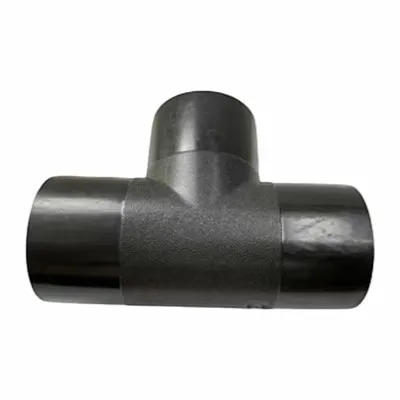
If you’re planning an electrofusion fitting installation in a high-altitude area and need guidance, or you’re looking for reliable, altitude-compatible electrofusion fittings to keep your project on track, don’t hesitate to reach out to our team to discuss your needs. We’ve supported projects across mountain ranges and high-elevation terrains, and we’re here to help you avoid the common pitfalls that come with working above 2,000 meters.
Butt Fusion Fittings References:
- American Water Works Association (AWWA) Standard C117, “Fusion Joining of Polyethylene (PE) Pipe and Fittings for Water Distribution Systems”
- ISO 21307:2017, “Plastics piping systems — Polyethylene (PE) electrofusion fittings — General specifications”
- High-Altitude Construction Guide, National Center for Construction Education and Research (NCCER), 2021
- Polyethylene Pipe Institute (PPI) Technical Report No. PR-218, “Electrofusion Welding at Elevations Above 2000 Meters”
Qingdao Polyfusion Machinery Co., Ltd.
As one of the most professional electrofusion fittings manufacturers and suppliers in China, we have world-leading production equipment and strong manufacturing capabilities. Please feel free to buy bulk high quality electrofusion fittings from our factory.
Address: Chengyang Industry Zone, Chengyang, Qingdao, Shandong, China
E-mail: export01@qdpolyfusion.com
WebSite: https://www.polyfusionfittings.com/
