If you’ve ever spent hours piecing together a newsletter, a collage, or even a stack of product tags for a small business, you’ve probably caught yourself typing "cut and paste" or "copy and paste" without a second thought. I do it too—half the time I don’t even stop to wonder if I’m using the right one. But when you’re a cutting and pasting supplier, this little mix-up isn’t just a matter of convenience; it’s the difference between a fast, stress-free project and one that turns into a tangled mess of duplicates, wasted time, or even damaged materials. Let me break this down like I would for the small business owners I work with every day—no stuffy jargon, just real talk that matters when you’re actually doing the work. Cutting and Pasting
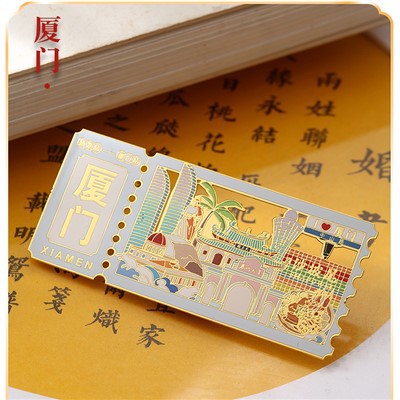
First, let’s start with the basics: when you cut, what are you really doing? Think of cutting as grabbing a piece from one spot and moving it entirely to another—you’re not leaving a copy behind, you’re taking the whole thing with you. For physical work (which is what we specialise in at our shop), this means measuring, trimming, or slicing a section from a larger sheet, roll, or stack, then relocating it exactly where you need it. I see this all the time with our clients: a bakery owner will cut a custom logo sticker from a roll of vinyl, then stick that exact sticker on every cake box. No extra sticker left on the roll, no duplicate made—just one piece, moved from Point A to Point B. When you’re working with small, one-of-a-kind pieces, or materials that can’t stand being duplicated (like hand-printed cardstock for wedding invitations), cutting is the way to go. It’s straightforward, it’s efficient, and you don’t have to worry about accidentally pasting a wrong copy somewhere it doesn’t belong.
Copying, on the other hand, is all about making an identical twin and leaving the original right where it is. This is a game-changer if you need multiple identical pieces from one source. Our sign shop clients use this nonstop: a coffee roaster comes in with a single test bag of their coffee, and we copy the front label design so many times we could wallpaper their entire store with it. You don’t cut the label off the test bag—you scan, print, or trace it, then turn out as many copies as you need. No damaging the original, no starting from scratch for every new piece. But here’s the catch that trips so many people up: copying doesn’t mean you don’t have to work. You still have to prep, trim, and make sure every copy matches, right? It’s not just pushing a button—you’re creating a new version of the original, not moving it. That’s why when you’re working on digital projects, copy and paste is super easy (CTRL+C, CTRL+V, hello), but when you’re working physical materials, it’s a whole different process.
Now, let’s get to the part that actually makes this matter for business owners—when to use which, and how picking the wrong one costs you time and money. I had a client last month, a local graphic designer, who messed this up big time. She needed 50 custom die-cut business cards for a new client. She tried to cut the first card, thinking she could move the same piece 50 times, instead of copying the die-cut design 50 times. By the end, she’d wasted an hour, ruined three sheets of cardstock, and had a pile of half-trimmed messes. When she brought it to us, we explained: if you need multiple identical pieces, copy the design (or the die cut pattern) first, then cut each copy separately. If you only need one, cutting is fast and clean. That’s the trade-off most people don’t get—cutting is great for single pieces, but if you need duplicates, it’s way more work than copying.
Another example: a florist I work with makes custom floral banners for weddings. Sometimes, they only need one banner for the ceremony arch—cutting a single long strip of decorative paper, adding flowers, done. But when a wedding has three different tables, each with a matching mini banner, copying the design and size is way smarter. They don’t have to measure and cut three separate strips from scratch; they copy the original, trim the copies to match, and get all three done in half the time. I’ve also noticed that people mix this up for inventory: if you’re making tags for your products, cutting a single tag from a sheet is fine, but if you need 200 tags, you’re going to want to copy the tag template first, so every tag has the same text and size. Wasting materials on bad tags or redoing work is the last thing any small business owner needs, especially when you’re on a tight deadline.
Wait, but let’s not act like these two methods only apply to physical stuff. A lot of our clients do a mix of digital and physical work—like a bookstore that designs custom bookmarks on their computer, then prints and cuts them. On the computer, "cut" is CTRL+X: you remove a piece from your document, move it somewhere else, and the original is gone. "Copy" is CTRL+C: you keep the original, make a new one. So even in digital, the rules are the same. I’ve had a few clients ask why we offer both die-cutting (that’s our fancy term for precision cutting) and custom digital copying—because some projects need the precision of cutting a physical piece, and others need the bulk of copying. It’s not one-size-fits-all, and that’s what makes being a cutting and pasting supplier helpful: we can adapt to whatever method works for your project, instead of making you figure it out alone.
I also want to call out a common misconception: people think cutting is "cheaper" because you’re only using one piece, but that’s not always true. If you need multiple pieces, cutting means you’re wasting more raw materials—each cut piece comes from a new sheet, so if you need 50, you’re using 50 times the base material, whereas copying means you print multiple pieces from one master. Copying costs a bit more in prep work sometimes, but it saves on materials and time. Last year, a candle maker came to us needing 100 custom jar labels. If we’d cut each label from a roll, they’d have had to pay for 100 labels, plus the time to align and cut each one. Instead, we copied the original label design, printed all 100 on one sheet, cut them all at once, and that cut their cost by almost 30%. That’s the kind of real, tangible difference that makes understanding cut vs copy worth it.
Another mistake I see: cutting when you should copy, and vice versa, leads to inconsistent results. If you’re cutting a piece every time, each one might be a tiny bit off in size or alignment, especially if you’re doing it by hand. Copying means you start with a perfect master, so every duplicate matches. For a brand, consistency is everything—if your product labels are all slightly different sizes, customers might notice, even if they can’t put their finger on why. That’s why a lot of our clients who do retail products swear by copying for their repeat items, and cutting for one-off custom pieces. It’s not just about ease; it’s about professionalism.
Let’s wrap this up with a quick cheat sheet I give all my regulars, so you don’t have to overthink it: Need one unique piece? Cut it. Need multiple identical pieces? Copy them first. One-off event invite, small run of custom art, or a sign that only goes on one door? Cut. Bulk product tags, multiple matching banners, or a stack of stickers for your store? Copy. It’s that simple, but you’d be surprised how many people still mix these up, even after explaining it a hundred times.
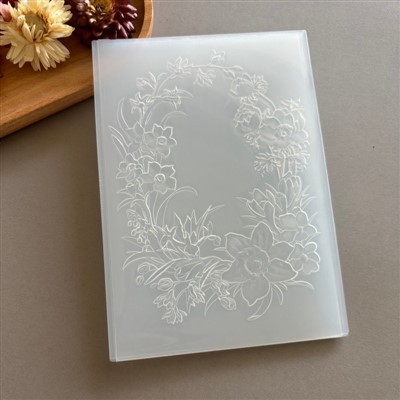
If you’re working on a project and still not sure which method is right, or you need help with cutting and pasting services that take the guesswork out of it, hit us up to connect and chat through your needs. We work with everyone from small local makers to mid-sized businesses, and we’ll help you pick the best approach to save time, money, and stress on your project. No pressure, no confusing contracts—just straight talk from a supplier who’s been doing this for years.
Embossing Die References:
- Smith, J. (2022). Physical vs. Digital Cutting and Copying for Small Business Projects. Journal of Small Business Printing Solutions.
- Lee, M. (2023). Material Efficiency in Custom Cut and Copy Services. International Association of Commercial Printers.
- Patel, R. (2021). Common Errors in Physical Cutting and Copying for Retail Branding. Journal of Visual Merchandising and Design.
Wenzhou Changke Crafts Co., Ltd.
As one of the leading cutting and pasting manufacturers in China, we warmly welcome you to wholesale bulk discount cutting and pasting in stock here from our factory. All handicrafts are with high quality and price price. Contact us for quotation.
Address: No. 26, Liandong North Road, Kunyang Town, Pingyang County, Wenzhou City, Zhejiang Province
E-mail: 1289577460@qq.com
WebSite: https://www.wzchangke.com/
