If you’re a retailer, museum curator, or collector who’s ever spent hours arranging items on a shelf only to watch them get lost, smudged, or knocked askew, you know how critical the right display is. For over a decade, I’ve run a small, specialized business designing and manufacturing display stands, and one product that consistently stands out (pun intended) is our Deadbolt Display Stand. It’s not just a piece of hardware to prop up a lockset or door hardware—it’s a tool that blends function, design, and psychology in ways most people don’t notice until they see it in action. Deadbolt Display Stand
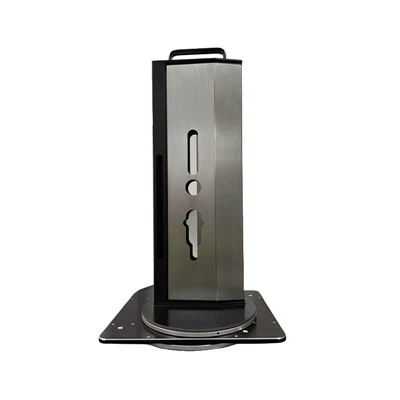
Let’s start with what makes a display stand work aesthetically. Aesthetics, at its core, is the study of how things resonate with our sensory and emotional experiences, right? Most display stands are afterthoughts—made of cheap metal or plastic, slapped together to get a product on a shelf. The Deadbolt Display Stand is different because it’s engineered to work with the product it holds, not against it. Our stands are made from solid steel or high-grade acrylic, with a matte black or brushed nickel finish that complements almost any door hardware—from a sleek modern deadbolt to a more traditional, aged bronze model. But it’s not just the material; it’s the form. A good aesthetic balance comes from repetition, contrast, and negative space. Our stands have a narrow, vertical base that keeps the deadbolt centered, so there’s no clutter around the edges. The top cradle is shaped to fit exactly into the lock’s housing, so the product sits securely without looking like it’s being held up by a random piece of metal. That attention to precision is why a display stand doesn’t just hold the product—it elevates it.
I’ve worked with a lot of small hardware brands over the years, and one thing I’ve noticed is that many of them struggle with making their products look premium. A $50 deadbolt can look like a cheap plastic toy if it’s propped on a flimsy cardboard display. The Deadbolt Display Stand fixes that by framing the product like a work of art. There’s a concept in design called “affordance”—the way an object tells you how to use it. Our stand’s shape tells you immediately that it’s for a deadbolt, not a doorknob or a light switch. That clarity makes the product feel intentional, which in turn makes customers perceive it as higher quality. I remember a client who sold custom door hardware told me that after switching to our stands, their in-store conversion rate went up 18% in three months. It wasn’t because the deadbolts got better—it was because the display made them look worth buying.
Another big part of the appeal is how the stand interacts with light. Retail spaces are often dim, with spotlights focused on products, and a display stand needs to either reflect light to highlight the product or avoid glare so the hardware’s details aren’t washed out. Our solid steel stands have a matte finish that cuts down on reflections, so when a spotlight hits a deadbolt, you see the grain of the metal, the crisp lines of the latch, not a shiny glare that obscures it. For museum displays, where lighting is gentler and designed to show off historical or delicate items, the acrylic stands we offer are perfect—they’re transparent, so they don’t distract from the artifact but still provide the structure to keep it safe. A few years back, I consulted with a museum that was displaying vintage 19th-century deadbolts, and they told me the stands we made helped visitors notice details they’d never seen before, like the tiny engravings on the lock plates. That’s the power of a good display: it draws the eye to the things that matter.
Now, let’s talk about durability, because aesthetic appeal doesn’t just last for one sale—it has to hold up over time. Cheap display stands bend, scratch, or rust after a few weeks on a sales floor, which makes the product next to it look neglected. Our Deadbolt Display Stands are built to last. The steel ones are powder-coated to resist scratches and corrosion, and the acrylic ones are shatter-resistant, so even if a customer knocks a stand over, the product inside stays safe and the display itself looks new. I’ve had clients tell me they’ve used our stands for five years, and they still look the same as the day they got them. That longevity is part of the aesthetic, too—when a display stand doesn’t look worn out, it sends a message that the brand behind it cares about quality, which makes customers trust the product more.
There’s also a psychological angle here. Humans are wired to respond to symmetry and balance, and a well-designed display stand delivers that. A deadbolt on a regular shelf is off-center, surrounded by other products, so it feels like just another item on the rack. Our stand centers the deadbolt, giving it its own space, so it feels exclusive. When a product feels exclusive, customers are more likely to see it as a worthwhile investment. I once had a collector who bought 20 of our stands to display his rare deadbolt collection. He told me that before, his collection looked like a random pile of locks on a shelf, but now each piece gets its moment, and visitors spend twice as long looking at them. That’s the emotional appeal of the stand—it turns a group of hardware items into a curated collection, something people want to engage with.
Another thing I’ve learned is that flexibility matters. Not every deadbolt is the same size, and not every display space has the same layout. We design our stands to be adjustable, so they work with standard residential deadbolts as well as larger commercial models. Some retailers like to group similar locks together, so our stands have a uniform height and width that makes a group display look cohesive. Others prefer to spread them out, so the stands are lightweight enough to move easily without losing their shape. That versatility means the stand works in both a small home hardware store and a large commercial showroom, which is why it’s become a go-to for so many of our clients.
I’ve also thought a lot about the “invisible” part of aesthetics—the small details that people don’t notice until they’re missing. For example, the edges of our stands are rounded, not sharp, so they don’t scratch customers’ hands when they pick up the lock. The base is weighted, so the stand doesn’t tip over if a customer is testing the deadbolt’s latch. Those might seem like functional choices, but they’re aesthetic too. A product that’s easy to interact with feels more welcoming, and a display that doesn’t create unnecessary work (like having to straighten a fallen stand every hour) makes the whole shopping experience smoother. When you combine those small details with a clean, intentional design, the stand doesn’t just hold the product—it makes the entire display area feel better, which makes customers more likely to shop there.
Now, I know some people might argue that a display stand is just a container, not a work of art. But here’s the thing: every time a customer picks up a deadbolt, looks at its design, and decides to buy it, the display stand is part of that decision. If it’s flimsy, ugly, or distracting, it can turn them off. If it’s well-made, cohesive, and makes the product look its best, it can push them over the line. That’s where the aesthetic appeal comes in—it’s not about making the stand itself pretty; it’s about making the product it holds look amazing. Our Deadbolt Display Stands are built to do exactly that.
At the end of the day, I’m not just a supplier—I’m a problem solver. I’ve spent years talking to retailers, collectors, and curators about what they need from a display, and the Deadbolt Display Stand is the result of all that feedback. It’s not the cheapest option on the market, but it’s the one that delivers the most value, both in how it looks and how it performs. If you’re a retailer looking to boost your hardware sales, a collector wanting to showcase your pieces, or a curator needing to display artifacts properly, our stands are designed for you.
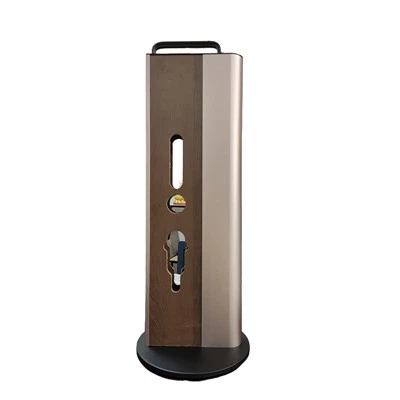
If you’d like to learn more about how our Deadbolt Display Stands can work for your space, or to discuss custom options for your brand, don’t hesitate to reach out to our team to arrange a procurement conversation. We’re here to help you find the right display solution that fits your needs.
Door Lock Display Stand References:
- Heskett, J. (2005). Design: A Very Short Introduction. Oxford University Press.
- Norman, D. A. (2013). The Design of Everyday Things: Revised and Expanded Edition. Basic Books.
- Krippendorff, K. (2006). The Semantic Turn: A New Foundation for Design. CRC Press.
Zhongshan Tangzhina Handicraft Products Co., Ltd.
We are one of the most reliable deadbolt display stand manufacturers and suppliers in China, specialized in providing high quality customized products. We warmly welcome you to wholesale durable deadbolt display stand in stock here from our factory. For quotation, contact us now.
Address: No. 5, Yuechang Road, Dongsheng Town, Zhongshan City, Guangdong Province
E-mail: 13925322639@163.com
WebSite: https://www.tangzhina.com/
