Can a vertical autoclave be used for sterilizing surgical drapes?
As a supplier of vertical autoclaves, I’ve been frequently asked whether our vertical autoclaves can be effectively used for sterilizing surgical drapes. This is an incredibly important question, considering the critical role that proper sterilization plays in preventing surgical site infections and ensuring patient safety. In this blog, I’ll delve into the technical aspects, advantages, and considerations of using a vertical autoclave for sterilizing surgical drapes. Vertical Autoclave
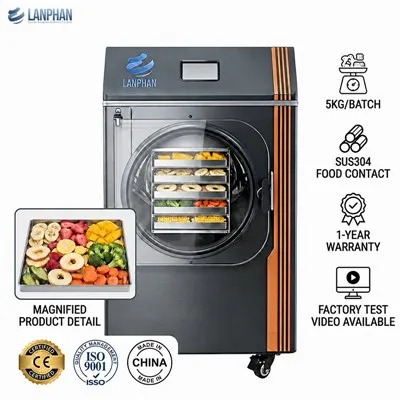
Understanding the Basics of Vertical Autoclaves
Before we explore the suitability of vertical autoclaves for sterilizing surgical drapes, it’s essential to understand what a vertical autoclave is. A vertical autoclave is a pressure chamber used to perform sterilization processes. It operates on the principle of using steam under pressure to achieve high temperatures that can effectively kill microorganisms, including bacteria, viruses, and fungi. The vertical design of these autoclaves makes them space – efficient, which is particularly beneficial for clinics or laboratories with limited floor space.
Vertical autoclaves typically come in different sizes and configurations, offering flexibility in terms of the volume of items that can be sterilized at once. They are equipped with advanced controls that allow for precise regulation of temperature, pressure, and sterilization time, ensuring consistent and reliable results.
Sterilization Requirements for Surgical Drapes
Surgical drapes are crucial in maintaining a sterile field during surgical procedures. They act as a barrier to prevent the transfer of microorganisms from the patient’s surroundings to the surgical site. To ensure their effectiveness, surgical drapes must be properly sterilized between uses.
The sterilization process for surgical drapes needs to meet strict standards. The World Health Organization (WHO) and other relevant regulatory bodies have set guidelines regarding the minimum temperature, pressure, and exposure time required to achieve sterilization. Generally, steam sterilization at a temperature of at least 121°C (250°F) for 15 – 30 minutes or 134°C (273°F) for 3 – 4 minutes under appropriate pressure is considered effective for killing most microorganisms.
Why a Vertical Autoclave Can Be Used for Sterilizing Surgical Drapes
1. Temperature and Pressure Control
Vertical autoclaves are designed to reach and maintain the high temperatures and pressures required for effective sterilization of surgical drapes. The precise temperature and pressure controls allow operators to set the parameters according to the specific requirements of the surgical drapes. Whether you are using a standard or a high – performance autoclave, you can easily achieve the necessary conditions to ensure that all microorganisms on the drapes are eliminated.
2. Compatibility with Diverse Drapes
There is a wide variety of surgical drapes available on the market, made from different materials such as cotton, polyester, or a combination of both. Vertical autoclaves are compatible with most types of surgical drapes. The steam – based sterilization process does not cause significant damage to the fabric of the drapes, as long as the autoclave is operated within the recommended parameters.
3. Space – Saving Design
As mentioned earlier, the vertical design of these autoclaves is space – efficient. This is particularly useful for smaller healthcare facilities or laboratories that need to sterilize surgical drapes but have limited space. A vertical autoclave can be easily placed in a corner or against a wall, leaving more room for other essential equipment.
4. Ease of Use
Modern vertical autoclaves are designed with user – friendliness in mind. They typically feature digital controls, clear displays, and pre – set sterilization programs. This makes it easy for healthcare professionals to operate the autoclave and ensure that the surgical drapes are properly sterilized. Even with limited training, users can quickly learn how to use the autoclave to achieve the desired sterilization results.
Considerations When Using a Vertical Autoclave for Sterilizing Surgical Drapes
1. Loading Capacity and Arrangement
It’s important to load the surgical drapes properly into the vertical autoclave. Overloading the autoclave can prevent the steam from circulating effectively, leading to uneven sterilization. The drapes should be arranged in a way that allows steam to penetrate all areas. For example, folding the drapes neatly and placing them in a wire basket can help ensure proper steam circulation.
2. Maintenance and Calibration
Regular maintenance and calibration of the vertical autoclave are essential to ensure its continued effectiveness. This includes checking the seals, valves, and sensors regularly, as well as cleaning the interior of the autoclave. Calibration should be performed at least once a year to ensure that the temperature and pressure readings are accurate.
3. Monitoring and Documentation
Proper monitoring and documentation of the sterilization process are crucial. This includes recording the temperature, pressure, and sterilization time for each batch of surgical drapes. Monitoring devices such as temperature and pressure gauges should be used to ensure that the autoclave is operating within the required parameters. Documentation helps in case of audits or if there are any issues with the sterilization process.
Real – World Applications and Success Stories
In many healthcare facilities, vertical autoclaves have been successfully used for sterilizing surgical drapes. For example, small clinics that perform minor surgical procedures rely on vertical autoclaves to sterilize their drapes cost – effectively. These autoclaves provide a reliable and efficient solution for maintaining a sterile environment without the need for large – scale, expensive equipment.
Patients also benefit from the use of properly sterilized surgical drapes. By using a vertical autoclave to ensure the highest level of sterilization, healthcare facilities can reduce the risk of surgical site infections, leading to better patient outcomes and faster recovery times.
Conclusion

In conclusion, a vertical autoclave can definitely be used for sterilizing surgical drapes effectively. Its ability to control temperature and pressure, compatibility with different types of drapes, space – saving design, and ease of use make it a suitable choice for many healthcare facilities. However, it’s important to follow the proper loading procedures, perform regular maintenance and calibration, and monitor and document the sterilization process.
Vertical Autoclave If you are in the market for a reliable vertical autoclave for sterilizing surgical drapes or other medical equipment, I invite you to reach out for a consultation. We can discuss your specific needs and help you choose the right autoclave for your facility. Our team of experts is dedicated to providing high – quality products and excellent customer service to ensure that you can achieve the best possible sterilization results.
References
- World Health Organization. "Guidelines on Hand Hygiene in Health Care." World Health Organization, 2009.
- Centers for Disease Control and Prevention. "Guideline for Disinfection and Sterilization in Healthcare Facilities (2008)." CDC, 2008.
- Association for the Advancement of Medical Instrumentation (AAMI). "Sterilization of Health Care Products – Requirements for Steam Sterilization." AAMI, 2012.
Henan Lanphan Industry Co., Ltd.
We’re well-known as one of the leading vertical autoclave suppliers in China, featured by quality products and good price. Please rest assured to wholesale durable vertical autoclave for sale here from our factory. For more information, contact us now.
Address: Room 801, East Tower, Xiyuan Square, Zhongyuan District, Zhengzhou City, Henan Province
E-mail: lanphanindustry@lanphan.com
WebSite: https://www.lanphanindustry.com/
