Hey there! I’m a supplier of pallet collars, and I often get asked if these nifty little things can be used for storing food products. Well, let’s dive right into it and find out. Pallet Collar
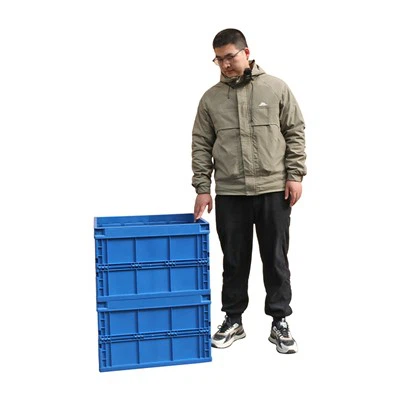
First off, what are pallet collars? For those who aren’t in the know, pallet collars are basically frames that fit around pallets. They add extra height and structure to the pallet, allowing you to stack more stuff on it and keep everything in place. They come in different materials like wood, plastic, and metal, and each has its own set of pros and cons.
Now, the big question: Can they be used for storing food? The answer is yes, but there are a few things you need to consider.
Material Matters
The material of the pallet collar is super important when it comes to food storage. You wouldn’t want to use a collar made of a material that could contaminate the food, right?
Plastic Pallet Collars
Plastic is a popular choice for food storage because it’s easy to clean and sanitize. It doesn’t absorb moisture, which means there’s less risk of mold and bacteria growth. Most food – grade plastics are approved by relevant health and safety authorities, so you can be pretty confident that they won’t leach any harmful chemicals into your food.
For example, high – density polyethylene (HDPE) is a common plastic used in food packaging and storage. It’s durable, resistant to impact, and can withstand a wide range of temperatures. So, if you’re storing food products that need to be kept at a certain temperature, like frozen goods or refrigerated items, plastic pallet collars made from HDPE could be a great option.
Wooden Pallet Collars
Wood has a more natural look and feel, but it can be a bit tricky when it comes to food storage. Wood is porous, which means it can absorb moisture and harbor bacteria. However, if the wood is properly treated and maintained, it can still be used for storing food.
Some wooden pallet collars are treated with food – safe finishes or coatings. These treatments create a barrier between the wood and the food, preventing contamination. But you need to make sure that the treatment is approved for food contact. Also, regular cleaning and inspection are a must to ensure that the wood remains in good condition.
Metal Pallet Collars
Metal is another option. It’s strong, durable, and easy to clean. Stainless steel, in particular, is a great choice for food storage. It’s resistant to corrosion, doesn’t react with food, and can be easily sanitized. Metal pallet collars are often used in commercial kitchens and food processing facilities where hygiene is of the utmost importance.
Hygiene and Cleaning
No matter what material you choose, maintaining proper hygiene is crucial when using pallet collars for food storage.
You need to clean the collars regularly. For plastic and metal collars, a simple wash with hot, soapy water followed by a rinse and a sanitizing solution should do the trick. For wooden collars, you may need to be a bit more careful. You can use a mild detergent and a soft brush to clean the surface, but avoid soaking the wood for too long.
It’s also important to inspect the collars for any signs of damage or wear. A cracked plastic collar or a splintered wooden one could pose a risk to the food. If you find any issues, it’s best to replace the collar right away.
Compatibility with Food Types
Different food products have different storage requirements, and the pallet collars need to be able to meet those needs.
Dry Goods
For dry goods like grains, cereals, and pasta, almost any type of pallet collar can work. As long as the collar is clean and in good condition, it can provide a stable and secure storage space. Plastic and metal collars are great because they can keep out pests and moisture, while wooden collars can add a bit of a rustic charm.
Fresh Produce
Fresh produce needs to be stored in a well – ventilated environment. Plastic pallet collars with ventilation holes or wooden collars with open slats can be ideal. This allows air to circulate around the produce, reducing the risk of spoilage.
Frozen Foods
When it comes to frozen foods, you need a collar that can withstand low temperatures. Plastic and metal collars are usually the best choices. They won’t crack or break in the cold, and they can help maintain the temperature of the frozen goods.
Regulatory Compliance
There are a bunch of regulations and standards that govern the storage of food products. You need to make sure that the pallet collars you use comply with these regulations.
In the United States, the Food and Drug Administration (FDA) has strict guidelines on food contact materials. If you’re using pallet collars for food storage, the materials used in the collars must be approved by the FDA. In the European Union, the European Food Safety Authority (EFSA) has similar regulations.
As a supplier, I make sure that all my pallet collars meet these regulatory requirements. I work with manufacturers who use high – quality, food – safe materials and follow strict production processes.
Benefits of Using Pallet Collars for Food Storage
There are several benefits to using pallet collars for food storage.
Space Efficiency
Pallet collars allow you to stack more food products on a single pallet. This means you can make better use of your storage space, whether it’s in a warehouse, a supermarket, or a food processing facility.
Protection
The collars provide an extra layer of protection for the food. They prevent the products from shifting during transportation and storage, reducing the risk of damage.
Easy Handling
Pallet collars make it easier to move and handle food products. You can use a forklift or a pallet jack to lift and transport the entire pallet with the collars and the food on it.
Conclusion
So, can pallet collars be used for storing food products? Absolutely! But you need to choose the right material, maintain proper hygiene, and ensure regulatory compliance.

If you’re in the food industry and looking for a reliable way to store your products, pallet collars could be a great solution. I’m here as your pallet collar supplier to help you find the perfect collars for your specific needs. Whether you need plastic, wooden, or metal collars, I’ve got you covered.
Folding Crate If you’re interested in learning more or want to discuss a potential purchase, don’t hesitate to reach out. We can have a chat about your requirements, and I’ll do my best to provide you with the best products at a great price.
References
- Food and Drug Administration (FDA). (Year). Guidelines for food contact materials.
- European Food Safety Authority (EFSA). (Year). Regulations on food storage and contact materials.
Shanghai Qusheng Plastics Co., Ltd.
Address: No.85 Hengtang Road, Huaqiao Town, Kunshan City, Jiangsu Province
E-mail: Totepallet-inquiry@plastic-crate.com
WebSite: https://www.totepallet.com/
