If you’ve ever worked with metal parts, you probably know aluminum is the go-to for so many industries—from aerospace parts to automotive brackets and even consumer electronics housings. But here’s the thing: not all aluminum alloys are created equal. As a casting and machining supplier, I see this mistake all the time: customers reach out with a part design, expecting just any aluminum to work, and end up frustrated when it cracks during machining or fails a casting defect test. Aluminum Alloy Casting and Machining
Today, let’s break down exactly which aluminum alloys play nice with both casting and machining, why, and what to watch out for. This isn’t just tech jargon—it’s stuff I’ve learned over years of walking shops through part failures and perfecting our own processes.
First, let’s do a quick refresh on aluminum alloy numbering (you can’t talk about this without it, no shortcuts). The four-digit system is the standard across most of the industry, right? 1xxx are pure aluminum (99%+), 2xxx have copper, 3xxx have manganese, 4xxx have silicon, 5xxx have magnesium, 6xxx have magnesium and silicon, 7xxx have zinc, and 8xxx are everything else.
Now, the two big categories we care about here are casting alloys and wrought alloys. Wait—yes, that’s a key point! A lot of people mix these up. Wrought alloys (like 6061, 7075) are made to be shaped by forging, rolling, or extruding, then machined later. Casting alloys (like A356, A380) are melted and poured into a mold. But some alloys actually work for both—if you process them right. That’s the sweet spot for most of our customers, because it cuts down on part lead times and cost.
Let’s start with the alloys that are perfect for both casting and machining, the workhorses we use every day.
First up, A356. That’s our top seller, no question. Why? It’s a silicon-aluminum alloy, right? The silicon content is around 7%, which makes it super fluid when molten—so it fills even super detailed molds without porosity, which is huge for casting. And when it cools, the silicon particles are hard but not brittle. That’s exactly what makes it machine like a dream. The hard silicon bits actually act like natural chip breakers, so when you’re milling or drilling it, the chips break clean instead of clogging up your tools or leaving rough edges. I’ve machined hundreds of A356 parts, from electric motor housings to aircraft bracket brackets, and the tool wear is way lower than other alloys. The only catch? If you machine it too fast without the right coolant, those hard silicon particles can dull your end mills faster. But with basic tips—like using a flood coolant system and keeping speeds around 1500 RPM for 1/2 inch tools—it’s a breeze.
Another top one: A380. This is the go-to for high-volume casting, like car parts or phone chassis, because it has even more silicon (around 8-12%) plus a little copper. Wait, why is copper good here? It makes it stronger and cheaper too, since copper is cheaper than some other alloying elements. Machining-wise, it’s a little softer than A356, so you can run faster speeds for quicker production. The downside? Copper makes it more prone to corrosion, so we always offer a clear anodize coating for parts that go outdoors or see moisture. Also, it’s not great for tight, high-stress parts—A356 handles tension better. But if you need 10,000 car door handles or radiator brackets a month, A380 is your guy.
Now, what about wrought alloys that we actually cast and machine? Wait, I know 6061 is a wrought alloy, but can you cast it? Sort of, with the right process. 6061 is super common for machine parts because it’s easy to machine and has a good strength-to-weight ratio. But as a casting alloy, it’s not as fluid as A356, so you can’t do super thin mold details. We usually use it for parts that are mostly shape and need a good surface finish after machining—like bike frames or camera mounts. The alloying elements here are magnesium and silicon, so when it cools, it forms Mg2Si, which adds strength. The machining is great because it’s uniform, no weird hard spots, so the surface finish comes out smooth, no burrs. Just don’t try to cast a tiny, intricate part out of 6061—it’ll get porosity. If you need something detailed, stick to the silicon-based casting alloys.
Wait, let’s talk about the ones you should avoid, because I’ve seen customers waste so much time on these. 7075, that strong aerospace alloy? It’s a wrought alloy through and through. If you try to cast it, it’s way too prone to cracking as it cools—high zinc content makes it brittle when solidified. And even if you somehow get a cast part out of it, machining it is a nightmare—7075 is super tough, so it wears tools way faster and the chips curl into tight spirals that get stuck in tooling. We only machine 7075 from solid billet, not casting. Same with 2024, that copper-heavy wrought alloy. Casting 2024 leads to lots of porosity and it’s too brittle to hold shape, and machining it causes built-up edge (BUE) where aluminum sticks to your cutting tool, ruining the part surface.
Another bad pick for both? Pure aluminum, 1xxx. It’s super soft, so while it’s easy to machine, it doesn’t hold its shape when casting—too much shrinkage as it cools, and you get warped parts every time. It’s great for foil, not cast machine parts.
Now, let’s get into the practical stuff that matters to you, the customer. When you’re choosing an alloy, don’t just pick the one that’s easy to machine or easy to cast—think about your part’s needs. Let’s break it down by use case:
If you need high volume, low cost, complex shapes (like consumer electronics housings, automotive brackets): A380 is your man. It casts fast, machines fast, and is cheap. Just remember the corrosion coating.
If you need strength, low porosity, good for aerospace or electric motor parts: A356. It’s a little more expensive than A380, but way more reliable for tight tolerances and high stress.
If you need a smooth surface finish, maybe a smaller part like a bike component: 6061 cast parts. We machine these all day, and the surface finish is almost as good as wrought.
Wait, also, there’s something called T6 heat treatment. That’s a step we add to almost all the alloys we cast. For A356, T6 means we quench it after casting and age it, so the Mg2Si particles form, making it way stronger (tensile strength goes from around 30 ksi to 40 ksi, almost twice as much). That also makes machining a tiny bit harder, but the strength gain is worth it. For A380, we sometimes do T5, which is air cooling instead of quenching, good for high volume because it’s faster.
I want to mention a common mistake customers make: they check a box for “machinable alloy” without checking the casting compatibility. Last year, a customer brought us a design for a small pump impeller, and they insisted on using 7075 because they heard it’s easy to machine. We tried casting a test part, and it cracked so bad it fell apart before machining. We suggested A356, they made the switch, and now they order 500 a month from us. That’s the kind of thing that wastes a shop’s time and money—pay attention to both sides.
Another tip: when you’re sourcing, don’t just look at the alloy number. Ask your supplier what their process is. For example, two shops can cast the same A356, but one uses a high-purity melting process to reduce porosity, and the other cuts corners. We use degassing and filtering during casting, so our parts have way less porosity, which means better machining results and less rejection.
Now, let’s wrap this up. If you’re working on a part that needs both casting and machining, stick to the silicon-aluminum casting alloys first: A356 for strength and detail, A380 for high volume and cost savings. If you need a wrought alloy, go with 6061, not 7075 or 2024, for casting. Avoid pure aluminum and overcomplicating it with alloys that aren’t designed for both processes.
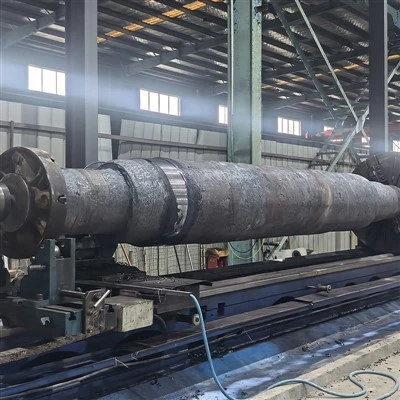
If you’ve got a part design, a prototype you’re testing, or you’re tired of casting defects ruining your batches, reach out to us. We’ll walk you through alloy selection, offer test casts, and make sure your parts are both cast correctly and machine smoothly—no jargon, no hidden fees, just results. We’ve been doing this for years, and we know how to match the right alloy to your needs, so you don’t have to waste time and money on the wrong pick.
Micro Gear Pump References
- Davis, J.R. (Ed.). (2001). Aluminum and Aluminum Alloys. ASM International.
- Black, J.T., & Kohser, R.A. (2020). DeGarmo’s Materials and Processes in Manufacturing (13th ed.). John Wiley & Sons.
- Aluminum Association. (2022). Aluminum Design Manual: Casting Alloys and Properties. The Aluminum Association.
Sanming Hongfeng Machinery Manufacturing Co., Ltd.
As one of the most professional aluminum alloy casting and machining manufacturers and suppliers in China, we’re featured by quality products and good service. Please rest assured to wholesale customized aluminum alloy casting and machining made in China here from our factory. Welcome to contact us for quotation.
Address: No.2 Gaoyuan Industrial Zone, Chenda Town, Sanyuan District, Sanming City, Fujian Province, China
E-mail: smhfjxzsq@163.com
WebSite: https://www.smhfmachinery.com/
