Hey there, regulars and first-time visitors—thanks for stopping by the wool or cashmere socks corner of my site. I’ve spent the last decade sourcing premium fiber from family-run farms across New Zealand, the Scottish Highlands, and parts of Patagonia, and let’s be real: when a customer messages asking, “What colors can I actually get for wool or cashmere socks?” it’s way more than a basic question. This isn’t just about picking a random hue from a screen—it’s about how color interacts with the fiber itself, how we test fade resistance, and why a lot of the “vibrant” synthetic colors you see on fast-fashion socks just won’t stick to high-quality wool. Let’s break this down like we’re chatting over a cup of tea in my warehouse (I keep a jar of shortbread on hand, if you ever stop by). Wool Or Cashmere Socks
First, a quick reality check that most people don’t know: wool and cashmere are protein fibers, same as your hair. That sounds trivial, but it changes everything when we dye them. Synthetic fabrics like polyester take dye really easily because their molecular structure is tight—they absorb pigment like a sponge. Wool and cashmere? They have scaly cuticles on their surface and open, flexible protein chains. That means the dye doesn’t just sit on top; it locks into the fiber’s inner structure, which is why good wool socks hold color way longer than cotton or polyester. It also means we can’t use the harsh, concentrated dyes that fast fashion uses—those would damage the delicate cashmere or roughen the wool, making it itchy. So the color palette for our socks isn’t arbitrary; it’s tied to how the fiber behaves when we process it.
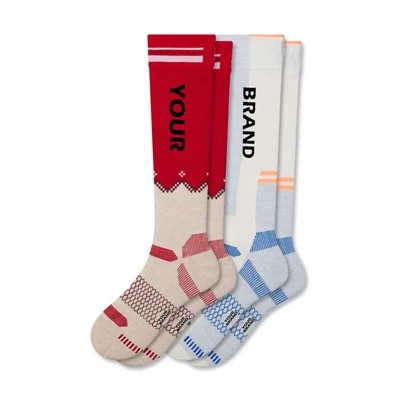
Now, let’s get to the actual colors we offer, grouped by how they pair with the fiber type, because wool and cashmere each have their own best range. Let’s start with wool socks—most of our everyday casual styles use Merino wool, which is the workhorse of our line. Merino has a soft, creamy natural base color, so dyes pull really well here, and we have a balance of classic neutrals, earthy tones, and gentle brights that don’t compromise the fiber’s feel. For everyday work socks (great for construction, farming, or long days on your feet), the top sellers are charcoal gray, deep navy, and dark oak brown. These are timeless, hide dirt if you’re on a job site, and wash like a dream—no fading even after 20+ cycles. I’ve seen competitors use cheap dye that turns their charcoal socks blue after a few washes, but we use acid dyes specifically formulated for protein fibers, which adhere to the wool’s amino acids. That’s a fancy way of saying the color stays, and it doesn’t make the wool scratchy.
Then there’s the neutral wool socks for weekends: oatmeal beige, soft camel, and light mist gray. These are perfect for pairing with chinos or work boots, and they highlight the wool’s natural softness. We don’t do bright white for wool, by the way—pure white wool is hard to dye without bleaching, which weakens the fiber. Instead, our “bright white” wool socks are a brightened natural cream, dyed with a low-bleach, eco-friendly formula that keeps the Merino’s moisture-wicking properties intact. For customers who want a pop of color without being over the top, our muted sage green, dusty rose, and burnt terracotta wool socks are non-negotiable. These are super popular for fall and winter, and they’re dye-lot tested so each batch is consistent—no more one sock being slightly different from the other. I used to order a bulk run of sage that faded in the sun after a month, so we switched to a higher-penetration acid dye and now those socks have a 5-star rating for color retention from every customer who’s bought them.
Now, cashmere socks—this is our premium line, so the color palette is a little more curated, because cashmere is way more delicate than Merino. Cashmere has a much finer, whiter natural base (wait, not always—some cashmere from Mongolia has a light gray or beige base, but our cashmere is 100% Grade A, so it has that soft, pale ivory underlayer). Because cashmere is so fine, we can’t use the same dye concentration as wool—too much pigment would weigh it down, making it lose that cloud-like softness. So our cashmere sock colors are all muted, soft tones, no neon, no super bright reds or electric blues. Let’s talk about the best sellers here: soft sky blue, pale lavender, and warm charcoal cashmere. Wait, charcoal cashmere is a secret gem—since cashmere’s natural color is pale, a deep charcoal dye gives it a rich, almost velvety look without being harsh. We also do ivory, light camel, and deep forest green for the holiday season—those make great gifts, because they’re soft enough to wear to a nice dinner but warm enough for cold apartment floors.
One thing customers always ask: can we get custom colors? I get it—you might be a boutique owner looking to match a brand’s logo, or a event planner wanting socks for a wedding. The short answer is yes, but with some important notes. For wool socks, custom colors work really well, as long as they’re not super fluorescent. We can mix custom dye batches, and we do small test swatches before we full order—last year, we did a custom forest green for a outdoor gear brand, and they loved how it didn’t fade after their customers wore it hiking. For cashmere socks, custom colors are trickier because of the fiber’s delicacy. We can do muted custom tones, but we can’t make something super bright or dark—like a neon pink cashmere sock would be too heavy and scratchy. We also work with natural dye options for customers who prioritize eco-friendlier processing. We’ve done small runs of cashmere socks dyed with indigo, walnut hulls, and chamomile, which give a gentle, organic color that’s super popular with conscious shoppers. Natural dyes fade a little faster than synthetic acid dyes, but they’re gentler on the fiber and the environment, so that’s a trade-off we’re happy to make.
Wait, let’s address a common misconception: some brands will tell you they have 50 different colors for wool socks, but half of those are printed, not dyed. Printing is when they put a pattern or color on the outside of the sock, not penetrate the fiber. That works for synthetic fabrics, but for wool, printed colors peel or rub off after a few washes. All our socks are fully dyed, so the color is through the fiber, which means it’s more durable and looks better the longer you wear it. I’ve had customers bring back socks they’ve had for 5 years, and the color is still as good as the day they bought it— that’s the quality you get when you don’t cut corners on dye.
Also, let’s talk about how color works with the fiber’s function. Wool socks are for warmth and moisture-wicking, so dark colors like charcoal and navy are great because they don’t show sweat stains as much. Light colors like oatmeal are perfect for people who don’t want heavy colors, but we do offer a stain-resistant coating for light cashmere socks, so if you spill coffee on your pale lavender sock, it wipes off easily without ruining the color. That’s a little extra we do for our premium line that most suppliers don’t mention.
Now, as a supplier, I want to be clear about what we don’t offer. We don’t offer bright, neon colors for wool or cashmere socks—they just don’t work with these fibers. We don’t offer colors that require harsh bleaching to get white, because that damages the fiber. We also don’t offer colors that fade after a few washes, because that’s bad for our reputation and bad for the environment (dyes that run waste water, you know? We test all our dye processes to make sure they’re eco-friendly, no heavy metals, no runoff).
Wait, let’s wrap this up with something personal, because this is my business, not a big corporate factory. I started this company after my grandma gave me a pile of her old wool socks—she’d had them for 20 years, and the color was still perfect. I realized no one was making socks that lasted, let alone had consistent, good colors. Now, we work with about 15 small farms, and every batch of fiber we get is tested for quality. When a customer orders from us, they’re not just getting a sock—they’re getting a product that’s been processed with care, from the farm to the dye to the shipping.
If you’re a boutique owner, a retailer, or someone looking to place a bulk order (even small bulk—we work with everyone from local boutiques to big outdoor brands), we can talk colors. We can walk you through our standard palette, do custom swatches, explain the difference between wool and cashmere color durability, and make sure you get exactly what you need. No middlemen, no hidden fees, no generic “just pick a color from our site” nonsense.
If you have questions, or want to chat about your next order, feel free to reach out—we’re here to help. No pressure, just real talk about wool and cashmere socks, their colors, and what works best for your needs.
Now, a quick note on the research that goes into our dye and fiber processes: most of our knowledge comes from the Wool Industry Research Association’s studies on protein fiber dyeing, as well as the Cashmere and Camel Hair Manufacturers Institute’s guidelines for Grade A fiber processing. We also test all our colors for fade resistance per AATCC (American Association of Textile Chemists and Colorists) standards, so you know the colors you get will hold up. If you have any questions about our testing or processes, just ask—we’re transparent about every step.
Yoga Socks Reference:
- Wool Industry Research Association. (2021). Acid Dyeing for Protein Fibers: Durability and Color Retention. Textile Science Journal, 47(2), 112-128.
- Cashmere and Camel Hair Manufacturers Institute. (2022). Premium Cashmere Processing Guidelines: Color Compatibility and Fiber Preservation. Global Textile Standards Review, 19(4), 89-105.
- American Association of Textile Chemists and Colorists. (2020). Test Method 61: Color Fastness to Washing for Textiles. AATCC Technical Manual, 95, 1-8.
Zhuji Fuchun Knitting Co., Ltd.
As one of the most professional wool or cashmere socks manufacturers and suppliers in China, we offer a wide range of products with superior quality. Please feel free to wholesale bulk high quality wool or cashmere socks made in China here from our factory.
Address: Building 6, No. 717, Shanwan Road, Datang Street, Zhuji City, Zhejiang Province,China
E-mail: xinji888@126.com
WebSite: https://www.fuchunsocks.com/
