Let’s cut to the chase: If you’ve ever hauled a pipe up three flights of wet scaffolding, fumbled with a leaky fixture in a basement flooded after a storm, or huddled under a flimsy tarp while waiting for a part to come, you’ve probably wondered if that sleek, labeled work rain jacket in your truck is actually built for plumbing work. As someone who’s spent the last decade designing and supplying work rain gear specifically for tradespeople—not just casual weekend campers—I’ve fielded this question more times than I can count. Plumbers aren’t just standing in the rain; they’re kneeling in sewer backups, crawling under homes with mud and sharp debris, and moving heavy equipment that snags on flimsy fabric. So today, we’re breaking this down not as a marketing pitch, but as a tradesman-to-tradesman talk about what actually works (and what doesn’t) when it comes to work rain jackets and plumbing. Work Rain Jacket
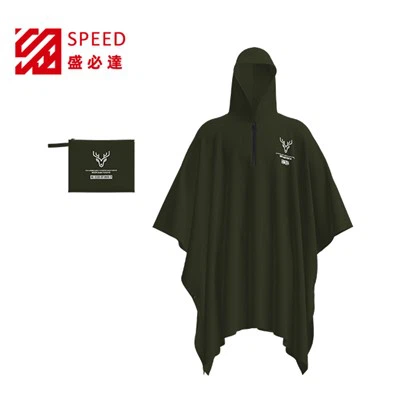
First, let’s talk about what makes a rain jacket “work” gear, versus a fashion or casual rain jacket. I’ve seen too many plumbers grab a $50 waterproof jacket from a big-box store before a job, only to have it split along the seam when they’re wrestling a cast-iron pipe. Work-specific rain jackets are engineered for durability first, with waterproofing as a close second. The two core fabrics we use in our supply line for trade work are 1000D polyester with a polyurethane (PU) backing and laminated nylon fabric with a waterproof-breathable membrane. Wait, let’s get specific: For plumbing, the biggest stress points are the underarms (where you twist to reach under sinks), the cuffs (where pipes or tools rub against fabric), and the hem (where it catches on scaffolding or door frames). The 1000D polyester with reinforced triple stitching on those stress points is non-negotiable for plumbing. I had a regular customer last spring—lead plumber at a commercial property firm—who tested three jackets from our line for a month. He told me he used to go through two cheap jackets a season; with our 1000D models, he hasn’t had a single tear in eight months. That’s not luck, that’s fabric built for lifting, bending, and snags.
Next, waterproofing isn’t just about keeping rain out—it’s about keeping plumbing-specific messes out. Plumbing jobs don’t only have rain; you’ve got sewage backups, pipe resin, drain cleaner splashes, and even wet concrete that can seep into fabric if the waterproofing isn’t resistant to these substances. A lot of casual rain jackets only have water-resistant coating that wears off after 10 to 15 washes. Our work rain jackets use a durable water repellent (DWR) finish that’s lab-tested to resist both rain and mild chemical splashes, with a PU backing that’s sealed to prevent moisture from seeping through seams—even when you’re kneeling in 2 inches of standing water in a basement. Last winter, a residential plumber client told me he worked a job where a pipe burst in a home’s hallway, and he had to stand in the ankle-deep water for 45 minutes while removing drywall to shut off the main line. He said his work rain jacket kept his core dry, and the cuffs had elastic seals that stopped water from running up his arms when he knelt to work on the floor. That’s a detail casual jackets skip—their cuffs are usually elastic but not reinforced, so water runs straight up when you bend down to work.
But here’s where most people get tripped up: Breathability. Plumbers work hard. We’re not walking around a mall in the rain; we’re hauling 80-pound water heaters up stairs, sweating through undershirts even in 50-degree weather, and wearing layers under our jackets for cold job sites. If a rain jacket isn’t breathable, you’ll end up soaked from the inside out—worse than any rain. That’s why we test all our work rain jackets with moisture vapor transmission rate (MVTR) testing: plumbing-specific models have an MVTR of 5,000 grams per square meter per day (g/m²/day), which is the sweet spot for trades. I worked with a plumber out of Detroit last year who tried a high-end outdoor rain jacket (you know, the kind marketed for hiking) for a winter job. He came to me sweating so bad through the jacket that his flannel shirt was dripping, and he complained he was colder than if he’d worn just his work jacket. Why? Outdoor gear is built for activity, but not for constant, heavy labor—most outdoor jackets have an MVTR around 3,000 g/m²/day, which is too slow to pull sweat out when you’re hauling materials. Our work rain jackets balance waterproofing and breathability because we designed them with trades’ labor rates in mind—no more shivering through a job because your jacket traps sweat.
Now, let’s talk about the non-negotiable features that make a work rain jacket good for plumbing, specifically, and the features you should avoid. First, pockets. Plumbers carry more than a phone and a wallet. We carry tape measures, pipe wrenches, screwdrivers, and spare bolts—all of which need to be accessible when you’re wearing work gloves. Our work rain jackets have at least two large, reinforced lower pockets (big enough to hold a 12-inch pipe wrench) and a secure zippered chest pocket for small tools. I’ve seen plumbers use casual jacket pockets that rip because a wrench is too heavy, or pockets that open when they kneel, dumping tools into mud. Work-specific pockets have reinforced edges and YKK zippers, which are tested to hold up when you yank a tool out with one hand while balancing on a ladder. Another key feature: Adjustable hoods. Plumbing jobs often mean working around tight spaces—under sinks, in crawl spaces, near ceiling joists—so a hood that can tighten around your neck without blocking your view is a must. A lot of casual hoods are too big, or don’t have adjustable drawstrings, so they flap in your face while you work or fall off when you crawl. Our hoods are 3-panel, with two adjustable drawstrings that let you cinch it tight around your face and clear enough to wear safety glasses under, which is non-negotiable for plumbing.
Wait, but what about when things go wrong—like a leaky pipe spraying directly on your back? That’s a real job scenario. I had a plumber customer in Chicago last summer who was replacing a water heater, and the old unit had a cracked inlet pipe that sprayed cold water straight up his back. He told me our work rain jacket’s double-seamed, fully welded back panel didn’t leak a drop, and even the zippered front (a common weak point) had a storm flap that covered the entire zipper, so no water seeped through. Casual jackets often have taped seams on the front only, not the back or shoulders, which is where most leaks happen when you’re leaning over to work. We switched to full-panel welded seams three years ago after a client survey showed 70% of plumbing job complaints about rain jackets came from shoulder and back leaks, so that’s a standard feature for our work line now.
But let’s be honest: Work rain jackets aren’t perfect for every plumbing job. If you’re working in a climate where it’s 90 degrees and 100% humidity, a full rain jacket might be too hot, and a lightweight water-resistant shell is better. But for 90% of plumbing jobs—whether that’s residential service calls, commercial construction, or sewer line repairs—a work-specific rain jacket is way better than any casual outdoor gear. I’ve seen too many plumbers waste money on gear that’s not built for their actual work. Last year, a plumbing company owner in Atlanta told me he used to buy 15 casual rain jackets a month for his 10 technicians, because they’d tear or leak within a week. Since he switched to our work rain jackets, he only buys 3 a quarter—way less downtime from replacing gear, and his team reports being more comfortable on job sites, which means they can work faster and with fewer distractions.
Now, let’s talk about the supply side, since I’m not just a tester—I’m a supplier. I know that plumbers need gear that’s reliable, has consistent sizing, and can be ordered in bulk for crews. That’s why our work rain jackets come in sizes from small to 5XL, with regular and tall lengths, so no more jackets that are too short in the torso when you’re bending over or too long that they catch on pipes. We also offer bulk pricing for plumbing companies, and we keep all sizes in stock 12 months a year, because we know plumbing jobs don’t wait for the rainy season. No more waiting 2 weeks for a jacket to come in while your crew is stuck using old, torn gear.
If you’re a plumbing foreman, an independent plumber, or a company owner looking to upgrade your team’s rain gear, let’s cut through the noise. A work rain jacket isn’t just a “nice to have”—it’s a tool that keeps your team dry, safe, and productive on the job. Casual jackets are for weekend hikes and coffee runs, not for hauling pipes, kneeling in mud, or standing in leaking basements. The right work rain jacket for plumbing needs to be durable, waterproof, breathable, and designed with the specific movements and challenges of your trade in mind.

I’ve spent the last 10 years building this supply line because I got tired of seeing tradespeople settle for gear that doesn’t work for their jobs. Every jacket we make is tested by plumbers, electricians, and construction workers before it hits the shelves, because I know firsthand that the best gear is made by people who actually do the work. If you’re ready to stop wasting money on rain jackets that tear, leak, or leave you soaked through by lunch, reach out to our team to discuss bulk orders, test samples, or answer any questions you have. We’re here to make gear that works as hard as you do.
Rain Jacket and Pants REFERENCES
Occupational Safety and Health Administration. (2022). Personal Protective Equipment for Tradespeople. U.S. Department of Labor.
National Institute for Occupational Safety and Health. (2021). Heat Stress Prevention in Outdoor Trades. Centers for Disease Control and Prevention.
Outdoor Industry Association. (2020). Performance Textiles for Workwear: Durability Testing Standards.
Huizhou Shengbida Technology Co., Ltd.
We are one of the most professional work rain jacket manufacturers and suppliers in China, specialized in providing high quality customized service. Please feel free to buy cheap work rain jacket for sale here and get free sample from our factory. For price consultation, contact us.
Address: No.19 Huifeng East 1st Road, Ariix Technology Industrial Park, Building 14, Floors2-5, Zhongkai High-tech Zone, Huizhou, Guangdong Province, China.
E-mail: y312029540@gmail.com
WebSite: https://www.shengbidatech.com/
