Hey there! I’m a supplier of DC gear motors, and I’ve been getting a lot of questions lately about the differences between brushed and brushless DC gear motors. So, I thought I’d write a blog post to clear things up. DC Gear Motor
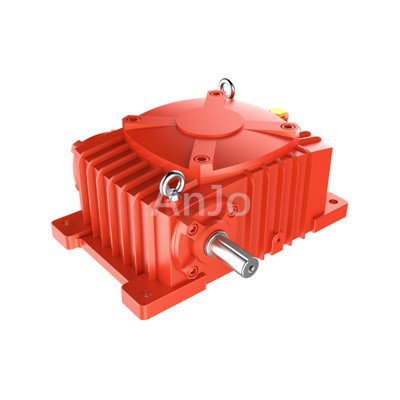
Let’s start with the basics. A DC gear motor is a combination of a DC motor and a gearbox. The gearbox is used to reduce the speed of the motor and increase its torque. This makes the motor more suitable for applications that require high torque at low speeds, like robotic arms, conveyor belts, and wheelchair motors.
Now, let’s talk about the differences between brushed and brushless DC gear motors.
Brushed DC Gear Motors
Brushed DC gear motors have been around for a long time, and they’re still widely used today. They’re relatively simple in design and are usually less expensive than brushless DC gear motors.
How they work? Well, in a brushed DC motor, there are brushes that make contact with the commutator. The commutator is a split ring that rotates with the motor shaft. When electricity is applied to the motor, the brushes transfer the current to the commutator, which then sends it to the motor’s coils. This creates a magnetic field that causes the motor to rotate.
One of the main advantages of brushed DC gear motors is their simplicity. They’re easy to control, and you can use a simple on – off switch or a variable resistor to change their speed. They’re also easy to maintain. If the brushes wear out, you can simply replace them.
However, there are some downsides. The brushes in these motors create friction and sparking. This friction can cause the brushes to wear out over time, which means you’ll need to replace them periodically. The sparking can also generate electromagnetic interference (EMI), which can be a problem in some sensitive electronic applications.
Brushed DC gear motors also tend to have a lower efficiency compared to brushless DC gear motors. This is because of the energy losses due to the friction and the resistance in the brushes and the commutator.
Brushless DC Gear Motors
Brushless DC gear motors are a more modern alternative to brushed DC gear motors. They’re becoming increasingly popular because of their many advantages.
In a brushless DC motor, there are no brushes. Instead, the motor uses an electronic controller to switch the current in the coils. This is done based on the position of the motor’s rotor. Sensors, like Hall effect sensors, are used to detect the rotor’s position, and the controller then sends the current to the appropriate coils to create the magnetic field that makes the motor rotate.
One of the biggest advantages of brushless DC gear motors is their efficiency. Since there are no brushes, there’s no friction or sparking. This means less energy is wasted, and the motor can operate at a higher efficiency. They also have a longer lifespan because there are no brushes to wear out.
Brushless DC gear motors are also quieter and produce less EMI compared to brushed DC gear motors. This makes them ideal for applications where noise and electromagnetic interference are a concern, like in medical equipment and audio systems.
Another advantage is their better speed control. With the electronic controller, you can precisely control the speed of the motor, which is great for applications that require accurate speed regulation, like in CNC machines.
However, brushless DC gear motors also have some disadvantages. They’re more complicated in design and usually more expensive than brushed DC gear motors. The electronic controller adds to the cost, and if it fails, it can be more difficult and expensive to repair compared to the simple brush replacement in a brushed DC motor.
Applications
Let’s talk about where you might want to use these two types of motors.
Brushed DC gear motors are a good choice for applications where cost is a major factor. If you’re working on a DIY project or a low – budget application, a brushed DC gear motor might be the way to go. They’re also suitable for applications where speed control doesn’t need to be very precise, like in some simple toys or small appliances.
On the other hand, brushless DC gear motors are better for applications where efficiency, lifespan, and precise speed control are important. They’re commonly used in high – end robotics, electric vehicles, and industrial automation systems.
Which One Should You Choose?
So, which type of DC gear motor should you choose? Well, it depends on your specific needs. If you’re on a tight budget and don’t need super – precise speed control, a brushed DC gear motor might be the right option. But if you’re working on a project that requires high efficiency, long lifespan, and accurate speed regulation, then a brushless DC gear motor is probably a better choice.
As a supplier of DC gear motors, I’ve seen firsthand how different applications require different types of motors. I’m here to help you make the right decision. Whether you’re an engineer designing a new product or a hobbyist working on a cool project, I can provide you with the right DC gear motor for your needs.

If you’re interested in learning more about brushed and brushless DC gear motors or if you’re ready to place an order, I’d love to have a chat with you. Just reach out, and we can discuss your requirements in detail. Together, we can find the perfect motor solution for your project.
Cycloidal Gear Motor References
- "Electric Motors and Drives: Fundamentals, Types and Applications" by Austin Hughes and Bill Drury
- "Modern Power Electronics and AC Drives" by Bimal K. Bose
Hangzhou ANG Drive Co., Ltd.
As one of the most professional dc gear motor manufacturers and suppliers in China, we’re featured by quality products and good service. Please rest assured to wholesale custom made dc gear motor from our factory. Good service and quality products are available.
Address: No.185, Jincheng Rd., Hangzhou 311202, China
E-mail: export2@angdrive.com
WebSite: https://www.anjodrive.com/
