Hey there! I’m a supplier of Flue Gas Desulfurization (FGD) pumps, and I’ve seen my fair share of common problems with these pumps over the years. In this blog, I’ll share some insights into what those issues are and how you can address them. FGD Pump

1. Cavitation
Cavitation is one of the most frequent problems we encounter with FGD pumps. It happens when the pressure in the pump drops below the vapor pressure of the liquid being pumped. As a result, vapor bubbles form and then collapse violently as the pressure increases again. This collapse creates shockwaves that can damage the pump’s impeller, casing, and other components.
You might notice some signs of cavitation, like a loud noise coming from the pump. It can sound like gravel or marbles being pumped through the system. Another sign is a decrease in pump performance. The pump might not be able to deliver the expected flow rate or head pressure.
To prevent cavitation, you need to make sure the net positive suction head available (NPSHa) is greater than the net positive suction head required (NPSHr) by the pump. This might involve adjusting the suction piping, increasing the liquid level in the suction tank, or choosing a pump with a lower NPSHr requirement.
2. Erosion and Corrosion
In an FGD system, the pumped liquid often contains abrasive particles and corrosive chemicals. This combination can lead to significant erosion and corrosion of the pump components. The impeller, in particular, is vulnerable because it’s in direct contact with the flowing liquid.
Erosion occurs when the abrasive particles in the liquid wear away the surface of the pump parts. Over time, this can change the shape of the impeller, reducing its efficiency and causing the pump to operate less effectively. Corrosion, on the other hand, is the chemical breakdown of the pump materials due to the presence of acidic or alkaline substances in the liquid.
To combat erosion and corrosion, we often recommend using pumps made from high – quality, erosion – and corrosion – resistant materials. For example, some pumps have impellers and casings made of stainless steel or other alloys that can withstand the harsh environment. Regular inspection and maintenance are also crucial. You can check the pump components for signs of wear and replace them before they cause major problems.
3. Seal Failure
The seals in an FGD pump play a vital role in preventing the leakage of the pumped liquid. Seal failure is a common problem that can lead to environmental hazards, loss of product, and damage to the pump itself.
There are several reasons why seals might fail. One common cause is improper installation. If the seals are not installed correctly, they might not form a proper seal, leading to leakage. Another reason is wear and tear. Over time, the seals can degrade due to the constant contact with the pumped liquid and the mechanical forces within the pump.
To avoid seal failure, it’s important to follow the manufacturer’s installation instructions carefully. You should also use high – quality seals that are suitable for the specific operating conditions of the FGD pump. Regular monitoring of the seals can help you detect any early signs of leakage or damage, allowing you to take corrective action before it’s too late.
4. Bearing Failure
Bearing failure can be a real headache when it comes to FGD pumps. Bearings are responsible for supporting the rotating shaft of the pump and allowing it to spin smoothly. When bearings fail, the pump’s performance can be severely affected.
There are several factors that can lead to bearing failure. One of the main causes is improper lubrication. If the bearings don’t have enough lubricant or if the lubricant is contaminated, it can cause excessive friction and heat, leading to premature wear. Another factor is misalignment. If the pump shaft is not properly aligned with the motor shaft, it can put extra stress on the bearings, increasing the risk of failure.
To prevent bearing failure, you need to ensure proper lubrication. This means using the right type of lubricant and changing it at the recommended intervals. You also need to make sure the pump and motor are properly aligned during installation and regularly check for any signs of misalignment during operation.
5. Motor Overheating
The motor that drives the FGD pump can sometimes overheat, which is a serious problem. Overheating can damage the motor windings and other components, leading to costly repairs or even replacement.
There are a few reasons why the motor might overheat. One common cause is overloading. If the pump is operating at a higher load than it’s designed for, the motor has to work harder, generating more heat. Another cause can be poor ventilation. If the motor is located in an area with limited airflow, the heat can’t dissipate properly, causing the temperature to rise.
To avoid motor overheating, you should make sure the pump is sized correctly for the application. This means choosing a pump with the right flow rate and head pressure requirements. You also need to ensure proper ventilation around the motor. You can install fans or vents to improve the airflow and keep the motor cool.
6. Vibration
Excessive vibration in an FGD pump is not only annoying but also a sign of potential problems. Vibration can be caused by several factors, such as misalignment of the pump and motor, unbalanced impellers, or loose components.
When there’s too much vibration, it can cause damage to the pump and its surrounding equipment over time. It can also lead to premature wear of the bearings and other moving parts.
To reduce vibration, you need to address the root cause. For example, if the problem is misalignment, you should realign the pump and motor. If the impeller is unbalanced, it might need to be balanced or replaced. You can also use vibration – damping materials to absorb some of the vibration energy.
How to Address These Problems
As a supplier, I can offer some solutions to these common problems. We have a team of experts who can help you select the right pump for your specific application, taking into account factors like the properties of the pumped liquid, the required flow rate and head pressure, and the operating conditions.
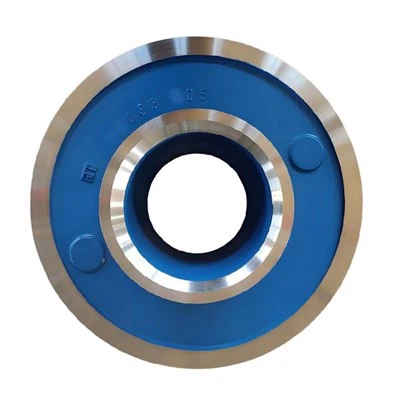
We also offer maintenance and repair services. Our technicians are trained to diagnose and solve issues related to cavitation, erosion, seal failure, and other problems. We can perform regular inspections, replace worn – out components, and ensure that your pump is operating at its best.
FGD Pump If you’re facing any of these problems with your FGD pump or if you’re in the market for a new one, I’d love to chat with you. Contact me to discuss your requirements and see how we can help you get the most out of your FGD pump system. Let’s work together to find the best solutions for your needs.
References
- Chemical Engineering Handbook. A comprehensive guide to engineering principles relevant to pump operation.
- Pump Manufacturer’s Manuals. Specific information on the design, operation, and maintenance of FGD pumps.
- Industry Research Papers. Studies on the common problems and solutions in FGD pump systems.
Shijiazhuang Ruite Pump Co., Ltd.
Shijiazhuang Ruite Pump Co., Ltd. is one of the most experienced FGD pump manufacturers and suppliers in China. Please rest assured to wholesale high quality FGD pump made in China here from our factory. For price consultation, contact us.
Address: Majuan village, Nandong town, Gaocheng, Shijiazhuang, China
E-mail: info@ruitepump.com
WebSite: https://www.rtslurrypump.com/
